It's the season of plenty!
Mike Lawrie • February 6, 2020
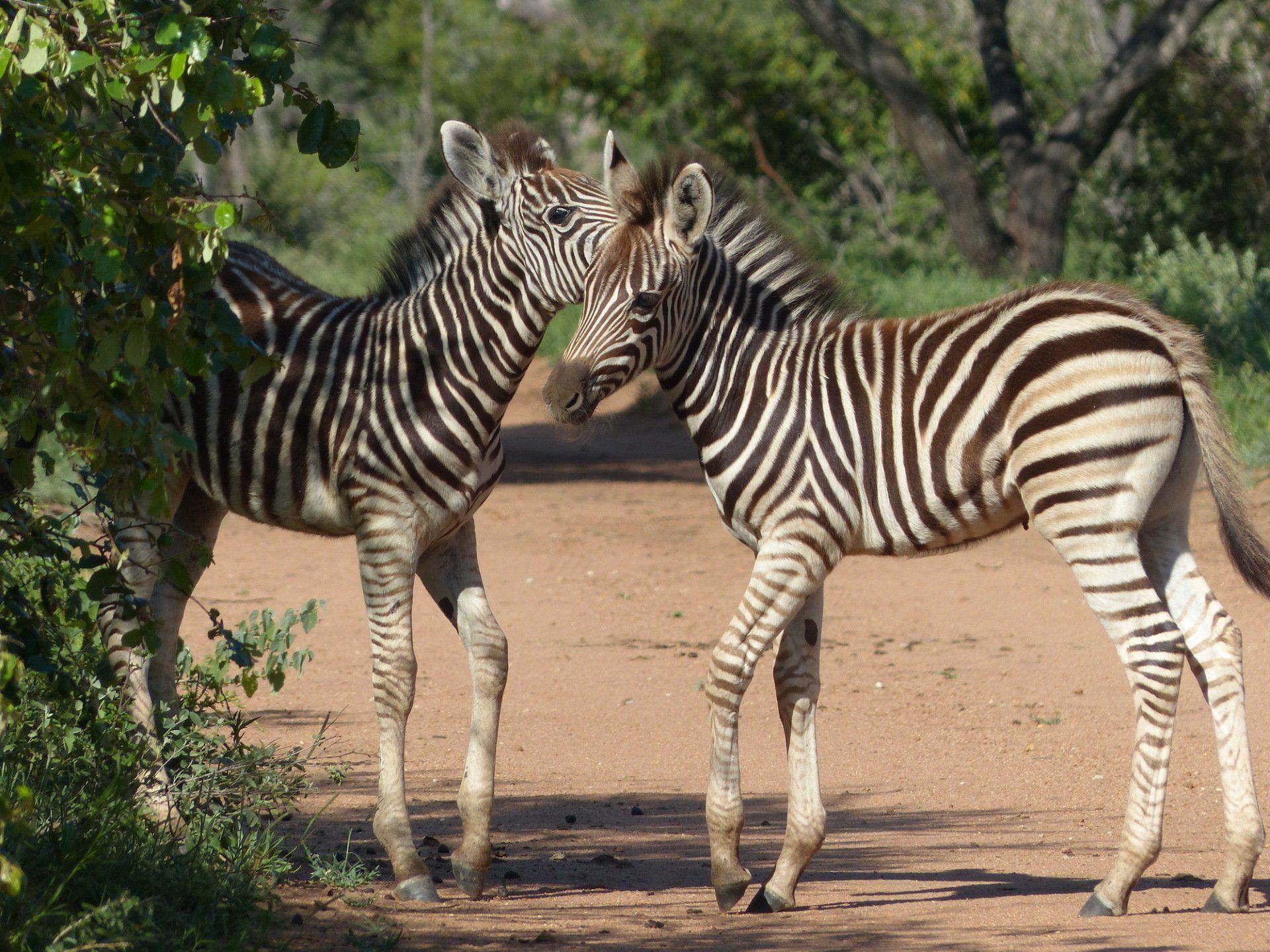
Summer in the South African bush is something to behold. Trees, shrubs and plants that have endured our long, dry season have transformed into lush, verdant thickets and forests and the Balule Private Nature Reserve is green, green, green!
This is the difference that rain makes to our water-scarce environment. The clouds began to build up in mid-November last year as the heat built to a crescendo and our first storms of the season were a blessing. Within a few days new growth began to appear everywhere, from the first tentative blades of grass that pushed their way through the soil to buds forming on every tree and shrub. Slowly but surely the bush rejuventated, given new life with every downpour.
The coming of the rains is a signal to our wildlife that the season of plenty is about to begin. Many species perfectly time the birth of their babies to take advantage of the increase in food sources. Many species like impala and wildebeest are what we call synchronous breeders - this means they synchronise mating and giving birth and you know that after spotting the first lamb or calf of the season, there will soon be many more! In fact, research has shown that as much as 90% of impala births happen in a three to five-week period each lambing season.
The secret to synchronised birth is synchronised breeding, so where animals like impala have a breeding or mating season, or rut, the birth of the young will happen more or less at the same time following the gestation period. It's a survival strategy - births are synchronised to mitigate the high mortality rate of young from predation.
It's always lovely to see a range of baby animals on game drives here at Sausage Tree Safari Camp, and summer is most definitely "baby heaven" as we regularly see the young of many different species, from impala lambs and zebra foals to cute warthog piglets and baby giraffes. Sometimes we're lucky enough to see a newborn, still wobbly on its legs, or cute goslings following their Egyptian geese parents across dams and waterholes.
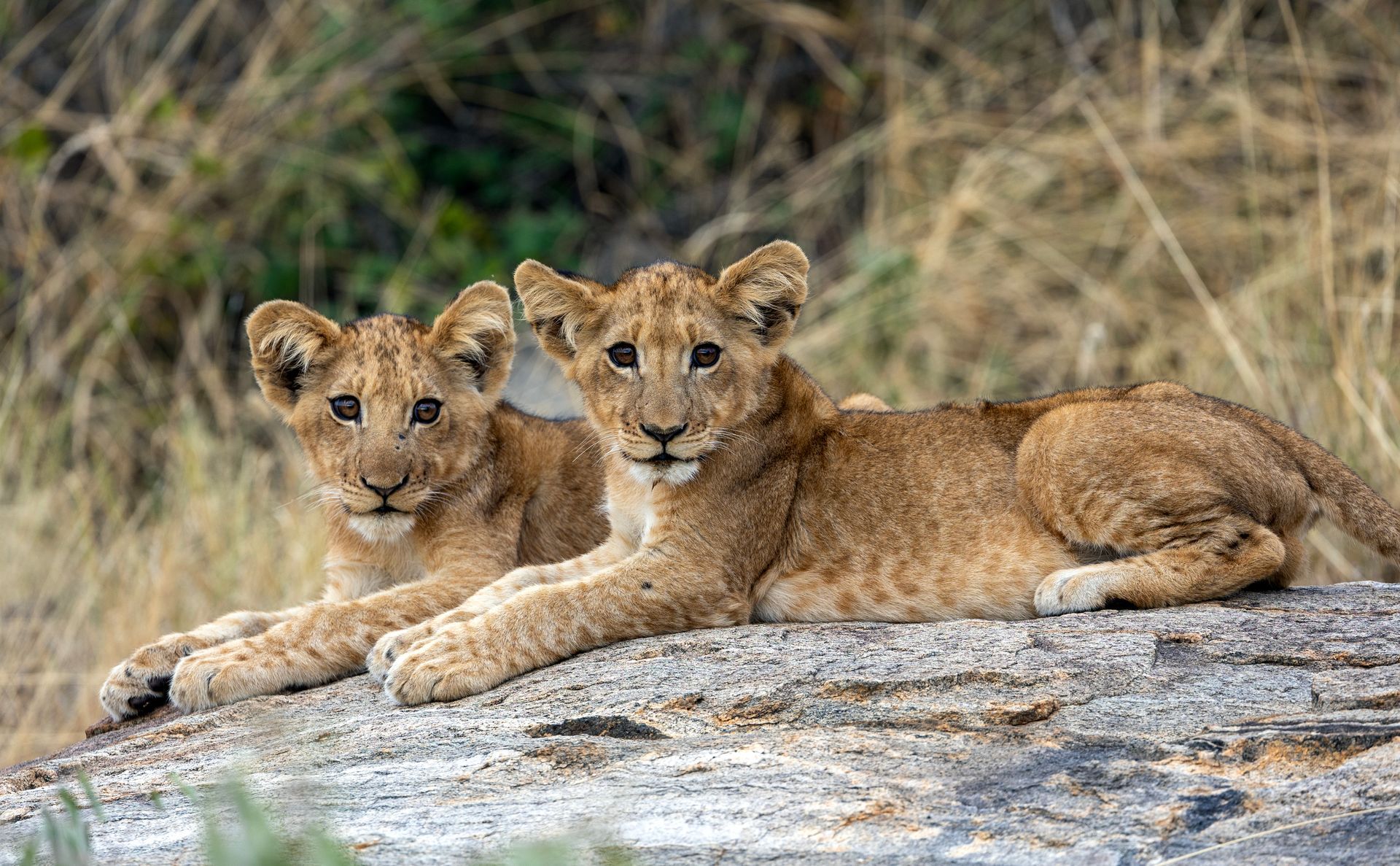
Here's an interesting fact - antelope species and others like zebra, buffalo and even larger species like rhino and elephant are known as precocial - their young are able to stand within a few minutes of being born. The big cat babies, on the other hand, are what's called altricial - born completely helpless - and they remain dependent for the first few weeks of their lives. There's a correlation here as the first group of animals are prey species and the big cats, of course, are predators. It makes sense that prey species have evolved to get up and running as quickly as possible! Predator species like lion, leopard, cheetah, wild dogs and hyena are all altricial and give birth to dependent young.
Summer in the Africa is also the season for amazing birding, as the bush is filled with both endemic and migrant species, many of which choose this season to breed and hatch young. The Wahlberg's eagles arrived at the start of the season and immediately began nesting, as did the African paradise flycatchers, whose impressive russet red tail plumage gives it away as it flits between branches in riverine and savannah thickets. The male has beautiful elongated tail feathers more than twice its body length during the breeding season, making it one of the stand-out species to spot.
The skies are also filled with European bee-eaters which spend the European winters with us, as do many of the swallow species and the gorgeous Amur falcon, which makes its way from Asia to make the most of our season of plenty!
And of course, the "creepy crawlies" are also at their most prolific during the summer, with an increase in insects and arachnid species. We're seeing a lot of elegant grasshoppers at the moment, with their distinctive, bright red and yellow colouring. Colour has a huge role to play where insects are concerned, often warning would-be predators that they are in for a nasty surprise if they're thinking about feasting! And that is most certainly the case where the elegant grasshopper is concerned, as it is full of unpleasant-tasting toxins, meaning that birds and other predators tend to steer clear of it! This method of warning predators is called aposomatic colouration.
The elegant grasshopper has been exceptionally successful at warning off predators to the point that it has no real need to escape anything. As a result, the grasshopper's wings, especially in the male, are very underdeveloped and while they can jump well, they often come back down to earth upside down or on their sides, before clumsily getting to their feet!
The 280+ Species: What You'll Actually See
Age Guide: What to Expect by Age ?
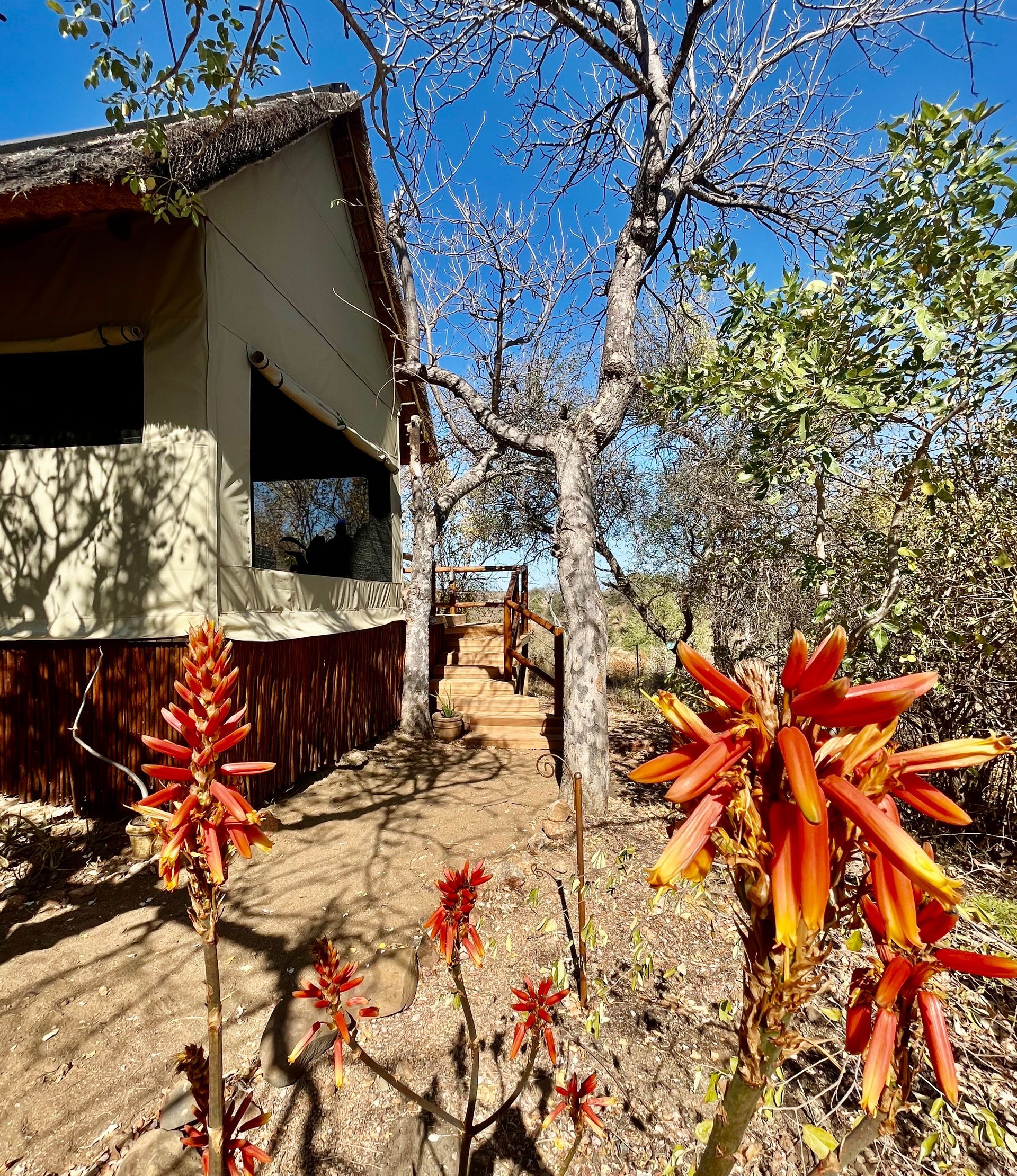
Choosing the best time to visit Sausage Tree Safari Camp

Romance Under African Stars

Photography Safari Tips
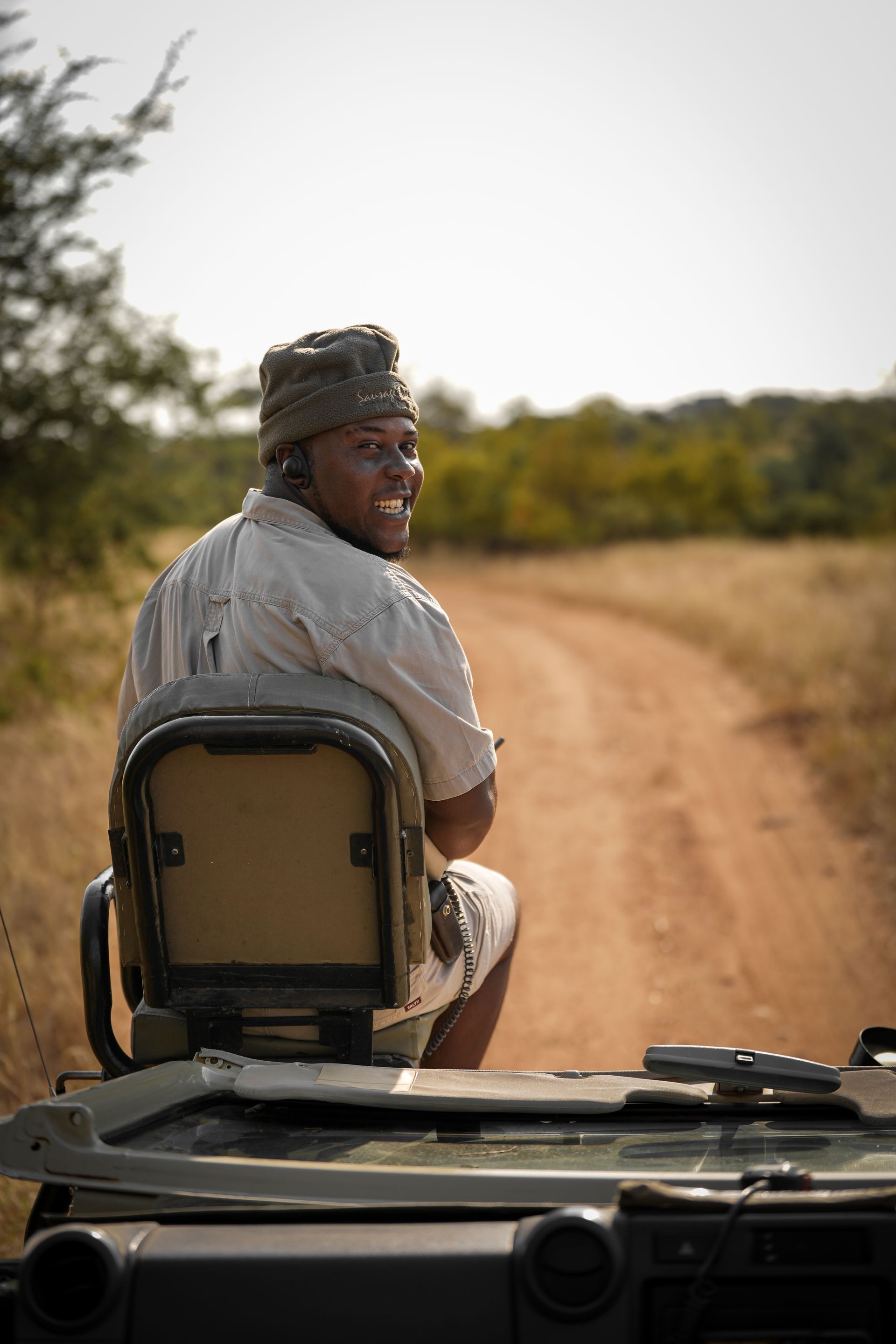
"You see that broken twig? The way it's snapped tells me a young bull elephant passed here maybe two hours ago. He was relaxed, probably heading to water."
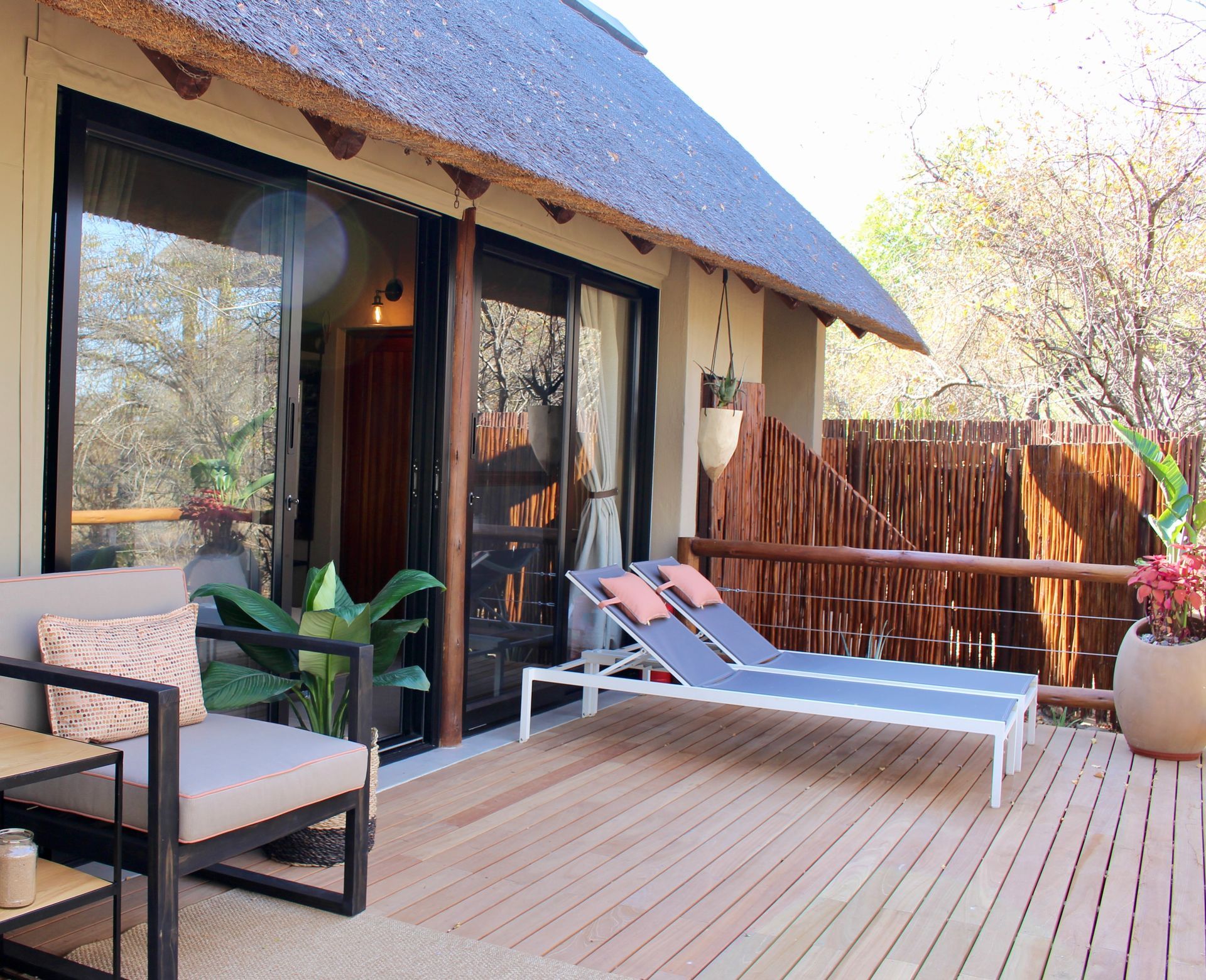
Experience our newly upgraded Luxury Tented Suites with sliding glass doors, expanded decks, spacious interiors & family-friendly options at Sausage Tree Safari Camp in Greater Kruger.
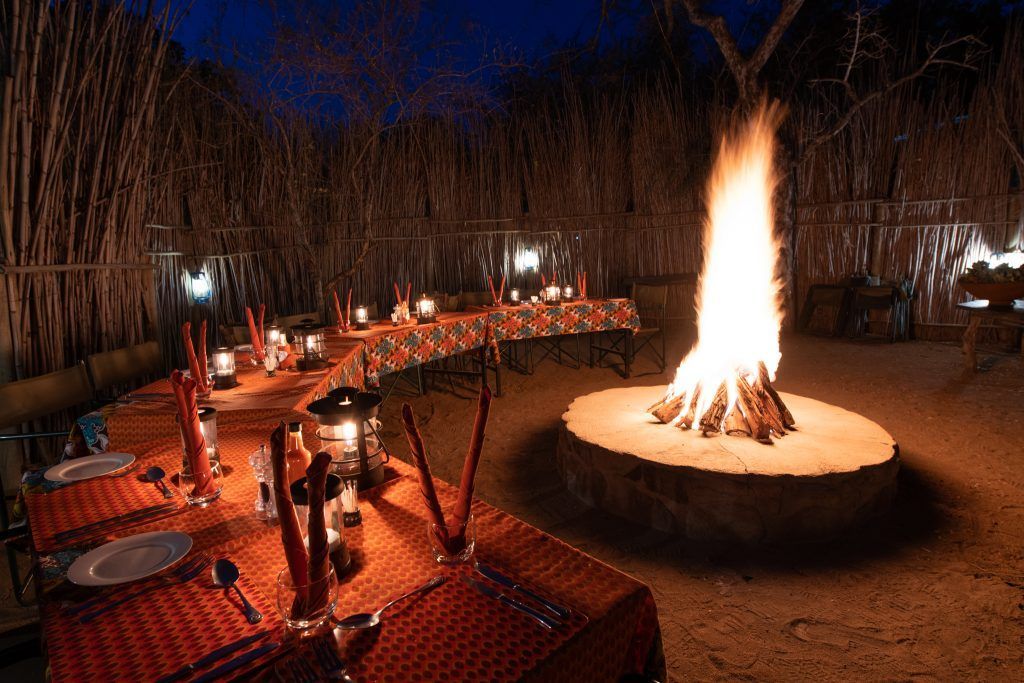
Pitso's journey to becoming the heart of our kitchen began in 2012, when he arrived as a young assistant chef, eager but uncertain. "I knew how to cook," he recalls, "but safari cooking? That's different. You're not just making meals – you're part of the whole experience."
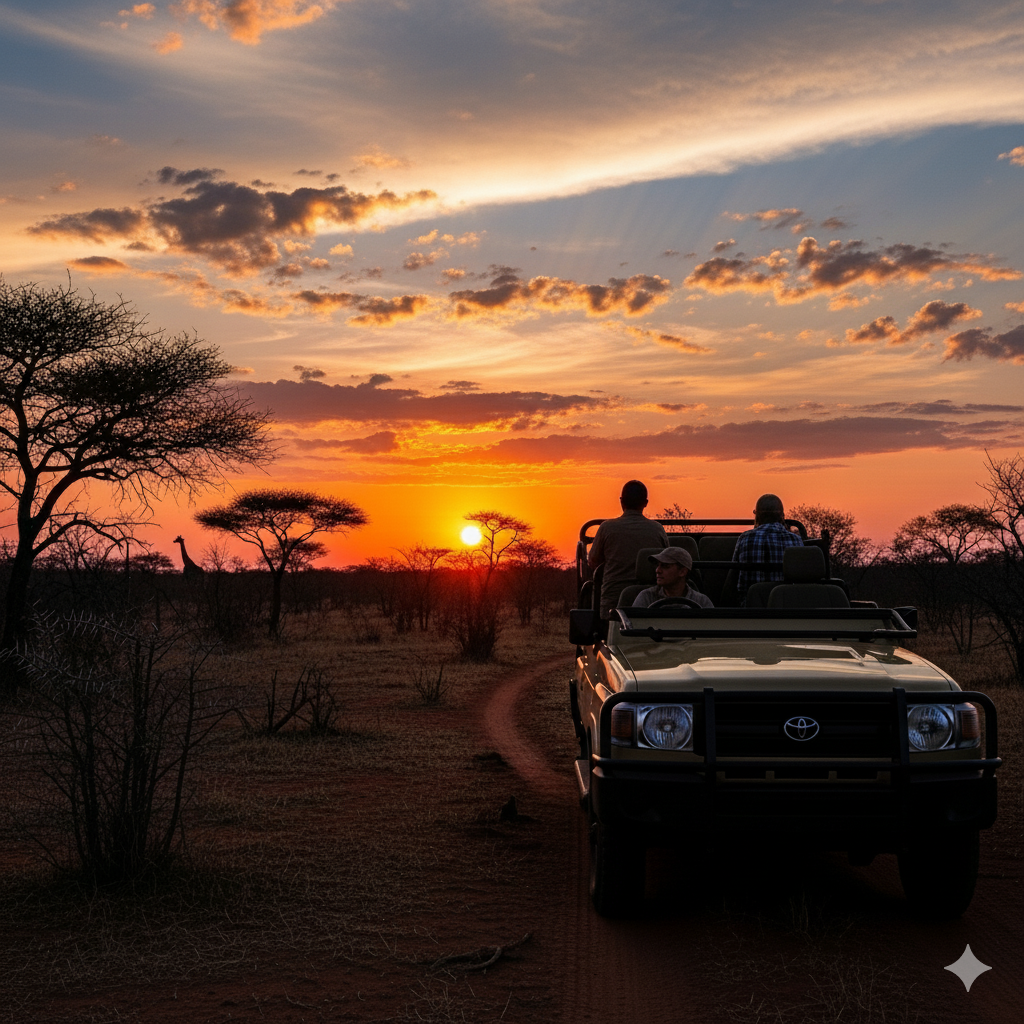
African bush sounds, night safari experience
There's something magical that happens in Olifants West Nature Reserve when August rolls around.