Best Time to Visit Sausage Tree Camp – Seasonal Guide
Choosing the best time to visit Sausage Tree Safari Camp
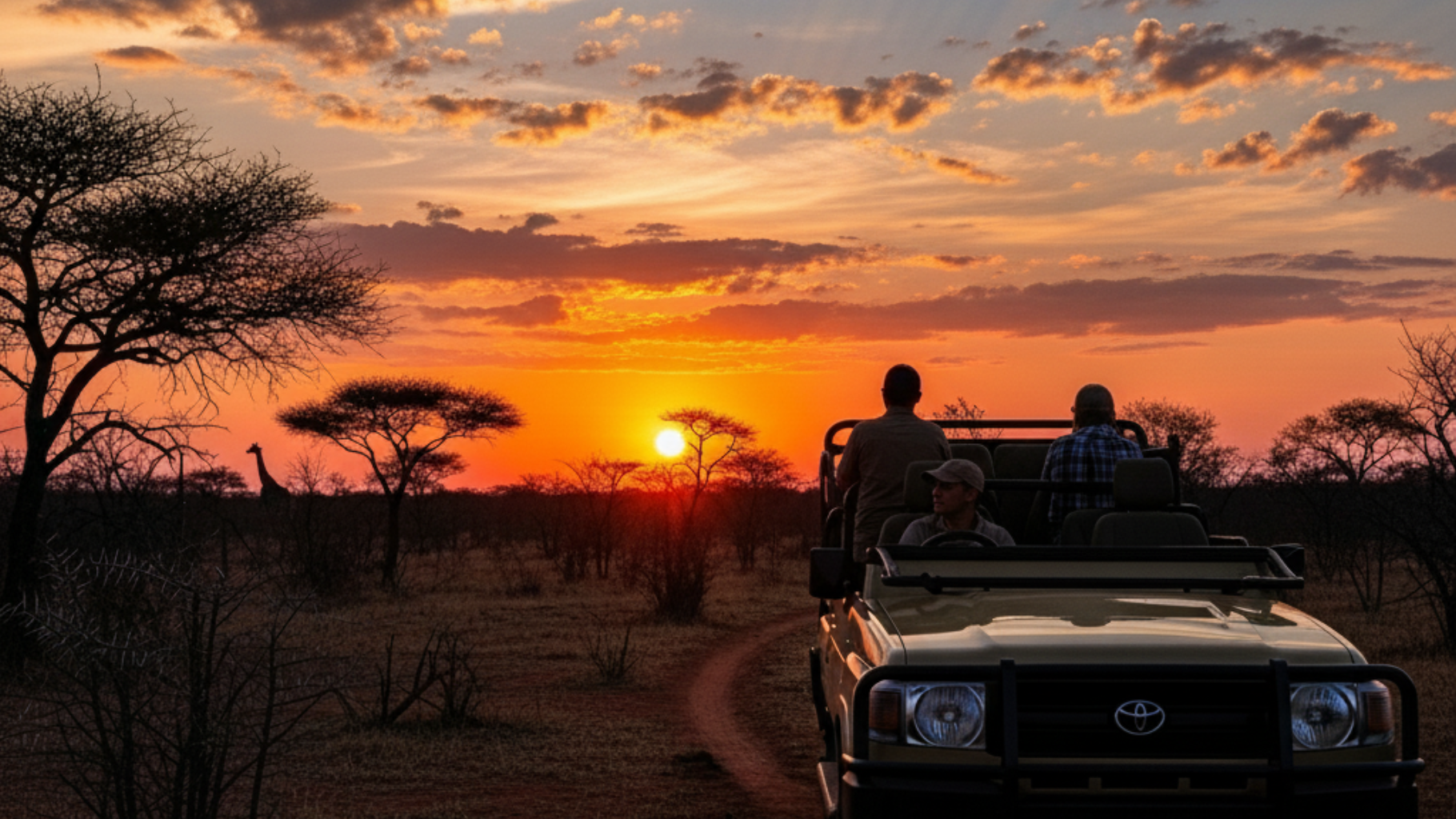
Choosing the best time to visit Sausage Tree Safari Camp depends entirely on the safari experience you want. Some guests prioritise easy Big Five sightings, others want dramatic green landscapes, migratory birds, newborn wildlife, or fewer crowds.
At Sausage Tree Safari Camp, located in the Olifants West Nature Reserve in the Greater Kruger region, every season offers something different. After more than 14 years hosting guests throughout the year, we’ve seen how dramatically the bush transforms from one month to the next.
It’s important to note that weather patterns in the Lowveld can vary. Some years the rains arrive as early as mid-September, while in others they only begin towards late November. Likewise, occasional late rains can continue into May.
The good news? Wildlife viewing remains rewarding year-round — just in different ways.
During the dry season, animals travel further and gather around permanent water sources, making sightings easier and more predictable. During the green season, food and water are abundant, so animals disperse into smaller territories, creating more natural and intimate encounters.
Dry Season (May – September)
The dry season is traditionally considered the classic safari period in the Greater Kruger.
As rainfall disappears, vegetation thins out and animals begin concentrating around rivers and remaining waterholes. The bush becomes more open, visibility improves, and game drives often produce excellent Big Five sightings.
What to Expect
From May through early September:
- Cool mornings and evenings (around 8–12°C)
- Mild daytime temperatures (18–26°C)
- Virtually no rainfall
- Clear skies and low humidity
- Excellent visibility through sparse vegetation
The Olifants River becomes a major wildlife corridor, attracting elephants, buffalo, hippos, crocodiles, antelope, and predators.
Wildlife Viewing During Dry Season
This is the easiest time of year for tracking and spotting wildlife.
Common sightings include:
- Elephants almost daily
- Lions several times per week
- Leopards and wild dogs regularly
- Large buffalo herds
- Concentrated antelope populations
Although migratory birds are absent during winter, resident birdlife remains impressive.
Who Should Visit During Dry Season?
Dry season is ideal for:
- First-time safari travellers
- Families with children
- Guests focused on Big Five sightings
- Wildlife photographers seeking action
- Travellers visiting during school holidays
Advantages of Dry Season
- Minimal rain interruptions
- Clear views of the Drakensberg Mountains
- Exceptional stargazing
- Very low insect activity
- Comfortable daytime temperatures
- Easier wildlife tracking
Things to Consider
Winter cold fronts occasionally move through the Lowveld. During these short cold spells:
- Daytime temperatures may stay below 12°C
- Night temperatures can drop to around 5°C
Fortunately, Sausage Tree Safari Camp is designed for winter comfort. Guests enjoy:
- Heated game viewer seats
- Blankets on game drives
- Amarula in morning coffee
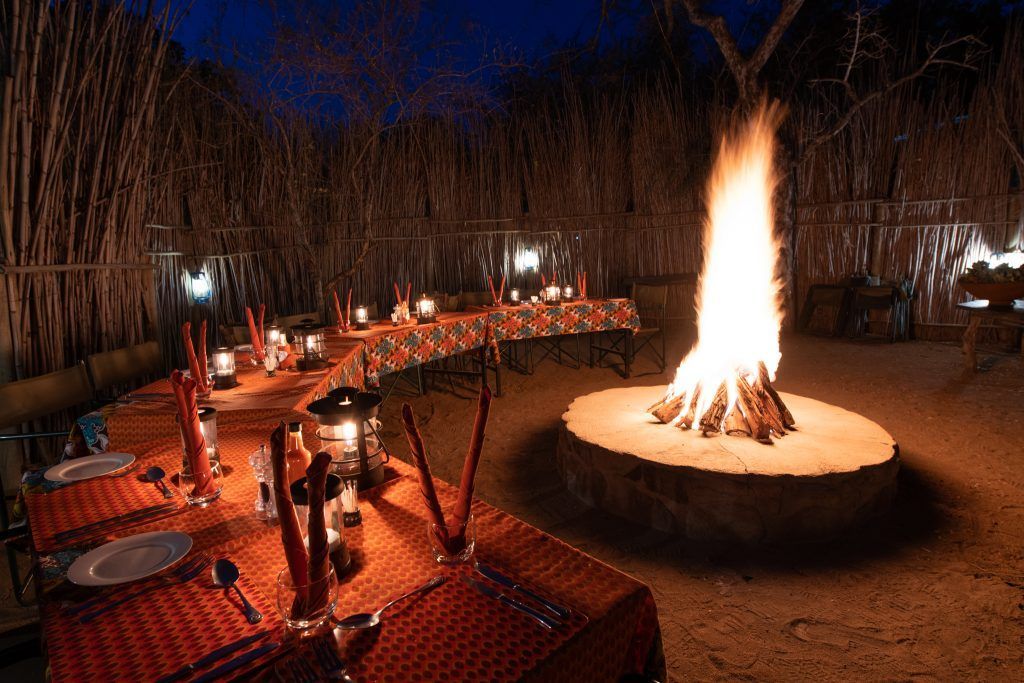
- Large boma fires at dinner
- Hot water bottles in beds
- Heated rooms and suites
Green Season (October – April)
The green season is often misunderstood.
Many experienced safari travellers actually prefer this time of year because the reserve becomes lush, dramatic, and quieter. Wildlife sightings may be slightly less predictable, but the scenery, birdlife, and newborn animals create a completely different safari atmosphere.
What to Expect
From November through March:
- Warm to hot temperatures (25–32°C)
- Afternoon thunderstorms
- Green vegetation and flowering trees
- Dramatic skies and sunsets
- Active birdlife and reptiles
Rain usually arrives in short, intense afternoon storms rather than all-day downpours.
Wildlife During Green Season
Because water and food are available everywhere, animals spread across the reserve rather than concentrating around rivers.
This means guides rely more heavily on tracking skills and experience.
The reward is seeing wildlife in stunning natural surroundings with rich green landscapes and dramatic skies.
Newborn Animals
From January through March, many species give birth, including:
- Elephants
- Giraffes
- Impala
- Wildebeest
- Zebra
This also creates exciting predator interactions as lions, leopards, and hyenas focus on vulnerable young animals.
Birding During Green Season
This is the best time for bird enthusiasts.
Migratory species arrive from Europe and elsewhere in Africa, including:
- European bee-eaters
- European rollers
- Various warblers
These combine with resident species such as:
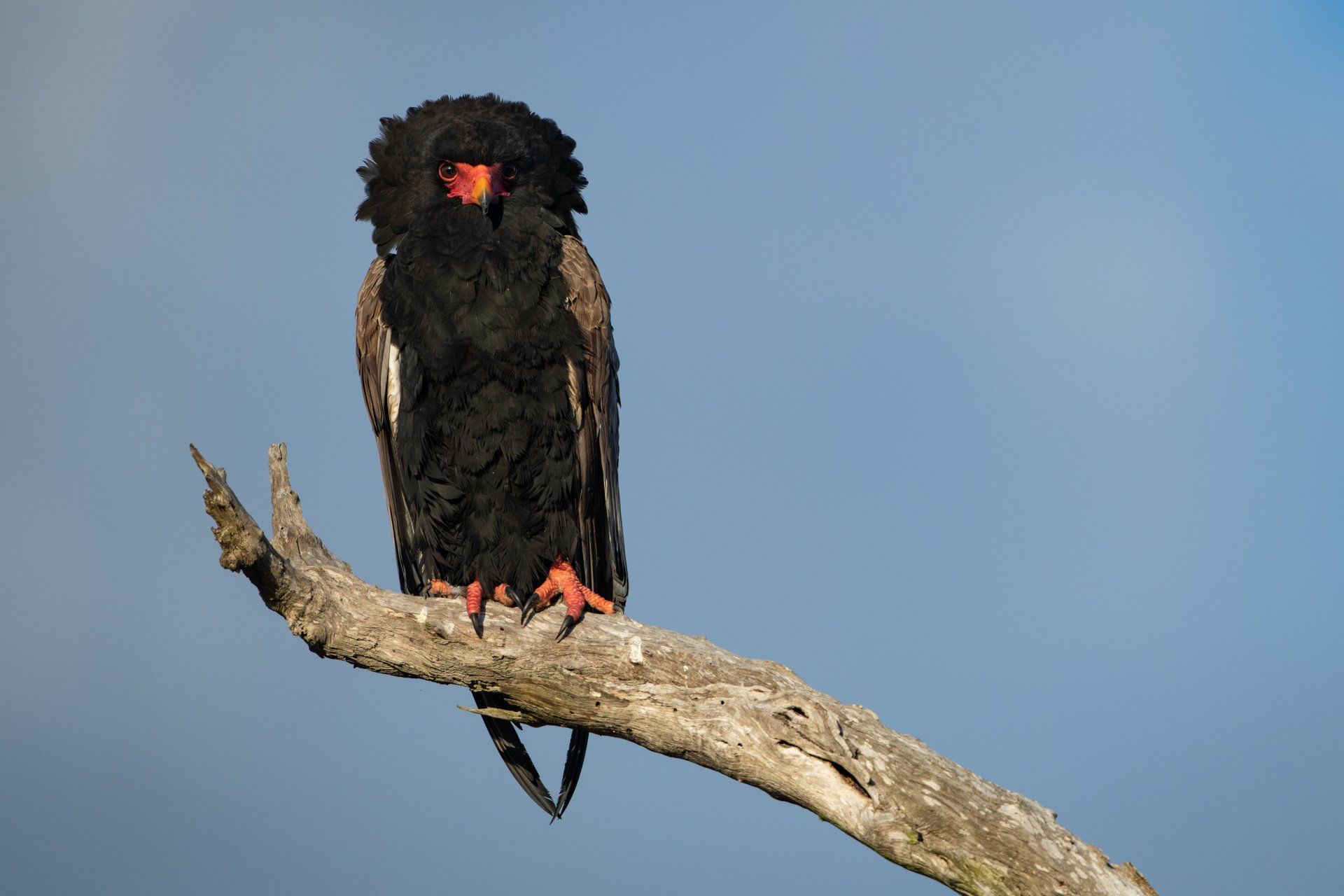
- Eagles
- Kingfishers
- Herons
- Lilac-breasted rollers
Who Should Visit During Green Season?
Green season suits:
- Repeat safari visitors
- Birdwatchers
- Landscape photographers
- Guests interested in reptiles and insects
- Travellers wanting fewer crowds
- Families travelling during Christmas, Easter, or October holidays
Best Green Season Months
Recommended months include:
- November
- February
January can be extremely rewarding for newborn wildlife but is typically hotter and wetter.
Shoulder Seasons (May and September)
For many guests, May and September offer the ideal balance between game viewing, weather, and comfort.
These transitional months combine elements of both the dry and green seasons.
What Happens in May?
- Rainfall stops
- Vegetation transitions from green to golden
- Temperatures cool down
- Animals gradually begin concentrating near water
What Happens in September?
- Temperatures warm up
- Early rains may begin
- Fresh greenery appears
- Wildlife remains active around remaining water sources
Why Guests Love Shoulder Season
Both months generally offer:
- Pleasant temperatures (18–25°C)
- Good game viewing
- Fewer crowds
- Comfortable sleeping weather
- Beautiful photography light
Best For
Shoulder season is ideal for:
- Couples
- Return safari guests
- Travellers wanting moderate weather
- Photographers avoiding extreme conditions
- Guests seeking a quieter safari experience
Which Season Is Best for You?
Best Time for Big Five Sightings
Any month can produce excellent Big Five viewing.
Best Time for Newborn Animals
January, February, and March.
Best Time for Bird Photography
December through March.
Best Weather Overall
May and September.
Fewest Visitors
Late January, February, May, June, and early December.
Best Time for Lower Flight Costs
Late January, February, May, and June typically offer lower international airfare pricing.
Booking Recommendations
For peak travel periods — including Christmas, Easter, July, August, and October school holidays — booking 4–6 months in advance is recommended.
For quieter periods, availability is often possible with shorter notice, although booking at least three weeks ahead is advisable.
So, When Is the Best Time to Visit?
The truth is that there is no single “best” season for safari.
Some guests return every July because they love classic dry-season wildlife viewing. Others visit every February for the dramatic skies, newborn animals, and peaceful atmosphere.
Both experiences are exceptional — they simply prioritise different things.
At Sausage Tree Safari Camp, wildlife viewing remains rewarding throughout the year. The only major seasonal differences are migratory bird activity and reptile sightings, which peak during the warmer months.
Your ideal safari season depends entirely on what matters most to you.
Ready to Plan Your Safari?
If you’d like help choosing the best season for your safari experience, we’d love to help.
Useful Links
You may also enjoy reading our:
- Packing Checklist
- Family Safari Guide
- Honeymoon Safari Guide
About the Author
James Carne is the co-founder and owner of Sausage Tree Safari Camp in the Greater Kruger National Park.
With more than 20 years of safari experience in the Olifants West Nature Reserve, James has guided guests through every season and understands the subtle differences that can turn a good safari into an unforgettable one.
Every R50 from each booking supports local conservation and education initiatives through Daktari Bush School and Wildlife Orphanage.