Birding at Olifants West – Complete Species Guide & Checklist
The 280+ Species: What You'll Actually See
If you've never birded before, here's the truth: you've been missing half the African experience.
Most safari guests focus on the Big Five. They photograph lions and photograph leopards. Meanwhile, above them, around them, in every tree and riverbank, 280+ species of birds are living entire dramas that go unnoticed.
A Fish Eagle hunts from the water. Sunbirds compete for flowering trees. Kingfishers stake territory along the riverbank. Raptors hunt at dawn. Nocturnal birds call at dusk. The bird world is endless, complex, and absolutely compelling once you learn to see it.
After 14 years at Sausage Tree, we've learned something important: birders often return. They usually stay longer. They recommend us passionately. And they convert skeptics. Bring a non-birder on a game drive with a guide pointing out bird behavior, and by day two, they're asking guide names and buying birding field guides.
Why Olifants West for Birding
The Geography
Olifants West sits at the intersection of riparian woodland (trees along the river), open savanna, and dense bush. This diversity creates habitat for resident species plus seasonal migrants. You get variety you wouldn't see in homogeneous landscapes.
The River
The Olifants River is a bird highway. Water-dependent species concentrate here: eagles, herons, kingfishers, saddle billed storks fish eagles, Pel's fishing owls (rare, magical). Morning game drives along the riverbank deliver consistent sightings.
The Guides
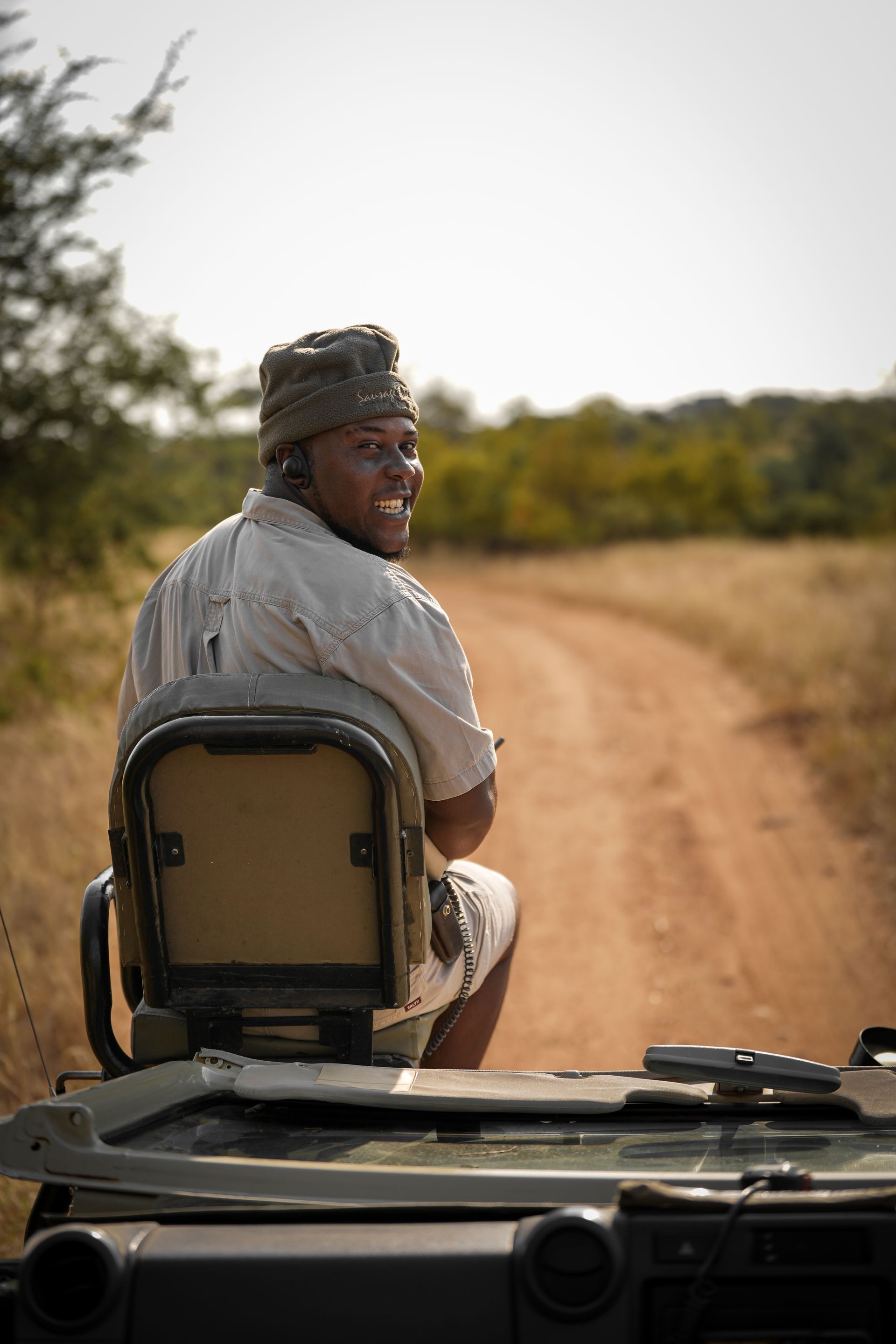
Our guides are trained in bird identification. This sounds basic. It's not. Most safari guides can identify common species. Our very experienced guides have in-depth behavior, habitat preferences, seasonal patterns, and call identification. The difference is profound.
The Season
November–February brings migrants. July–September brings dry-season concentration at water. Different months deliver different species—giving you more reasons to return.
The 280+ Species: What You'll Actually See
The Iconic Species
Fish Eagle (Resident year-round) - Unmistakable: brown body, white head, enormous wingspan - Call: haunting, echoing laugh - Where: River, open perches, large dams and sometimes as this very morning , on the plains in front of our lodge - When: Early morning, late afternoon - What to watch: Hunting dives, territorial disputes
Pel's Fishing Owl (Resident year-round, nocturnal) - Rarer than most sightings, magical when spotted - Habitat: Dense riverside trees - Call: deep, booming hoot - When: Dusk, night drives - Why it matters: One of Africa's rarest birds
Five Kingfisher Species (Year-round residents) - Malachite Kingfisher (tiny, electric blue) - Pied Kingfisher (black and white, hovers over water) - Giant Kingfisher (large, elusive) - Half-collared Kingfisher (golden) - Brown-hooded Kingfisher (less common, beautiful) - Where: River and riverbank habitats - Why it matters: Shows you the same habitat can support multiple hunting strategies
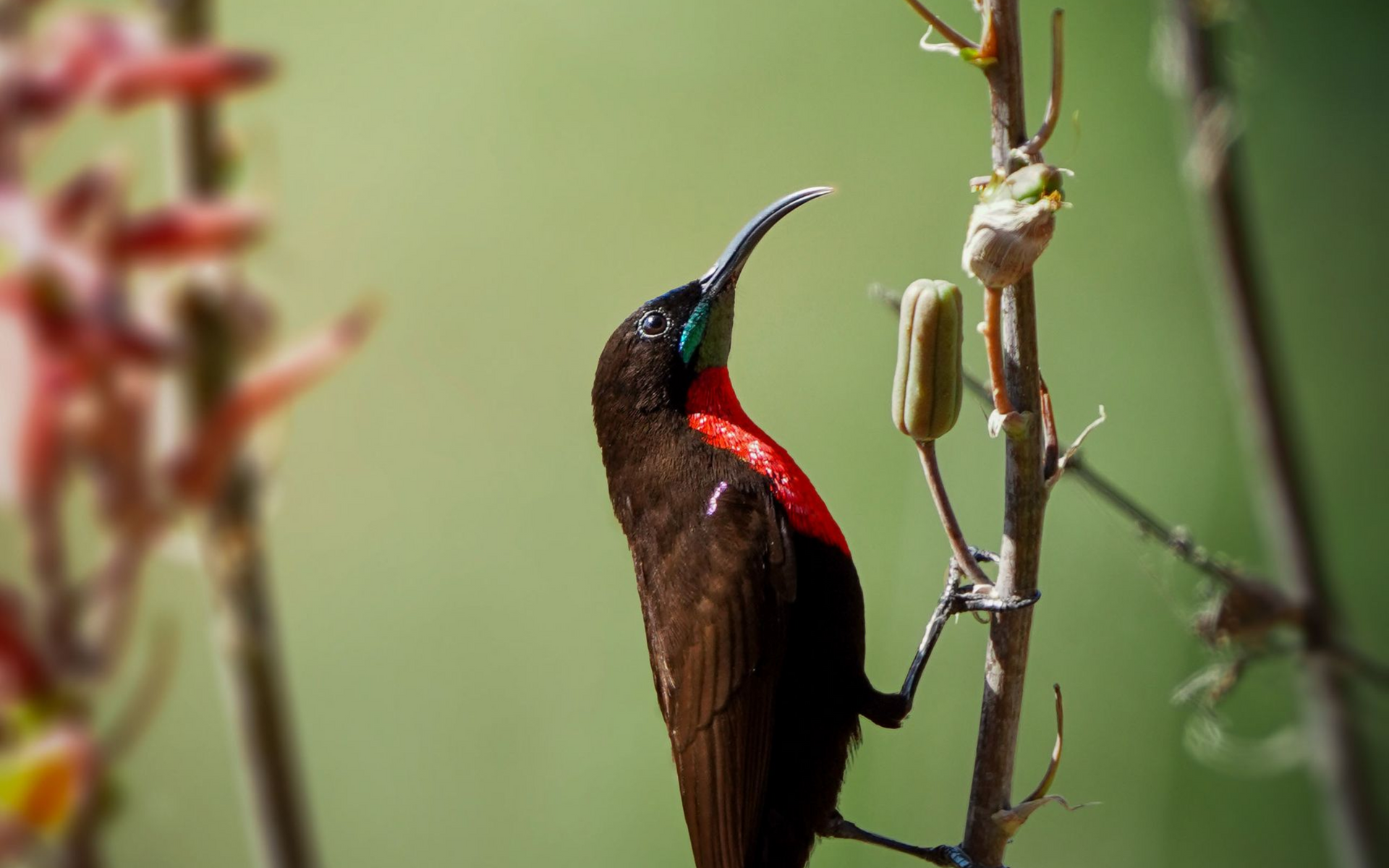
Sunbirds (Resident and migratory) - Metallic colors, competitive behavior, nectar feeding - Males defend flowering trees aggressively - Best observed: Early morning, flowering season - Call: sharp, distinctive chips and chirps - Why it matters: Shows animal behavior (territorial disputes, mating displays)
Raptors (Multiple species year-round) - African Fish Eagle (discussed above) - Martial Eagle (largest, hunts big prey) - Tawny Eagle (soaring, thermal riding) - African Goshawk (fast hunter, woodland specialist) - Best time: Dry season when thermals create soaring opportunities
Herons & Egrets (River-dependent) - Goliath Heron (massive, gray, rare sighting = celebration) - Grey Heron (common, patient hunter) - Cattle Egret (associates with animals) - Squacco Heron (small, electric when hunting) - Where: River, marshy areas, water edges
Seasonal Patterns: When to See What
Dry Season (May–September)
What happens: Animals concentrate at water. Birds follow. River becomes bird highway.
Key species arriving: Some species are more visible (water-dependent birds can't hide).
Best months for birding: July–September (combination of residents + dry season concentration).
What to expect: Consistent sightings, easier spotting, higher probability of sighting rare species at water.
Green Season (November–March)
What happens: Migratory birds return. Landscape explodes green. Breeding season begins for most species other than resident raptors.
Key species arriving: - Bee-eaters (insect hunters, dramatic migrations) - Rollers (colorful, acrobatic hunters) - Warblers (small, migratory, complex identification) - Kingfishers (breeding pairs establish territory) - Amur falcons ( travel over 22,000 kms from their breeding grounds in Siberia and Northern China)
Best months for birding: November (arrivals), January–February (established, breeding).
What to expect: Higher diversity, more species, more behavioral drama (courtship, territory defense, nest building).
How to See Birds: The Practical System
The Early Morning Drive
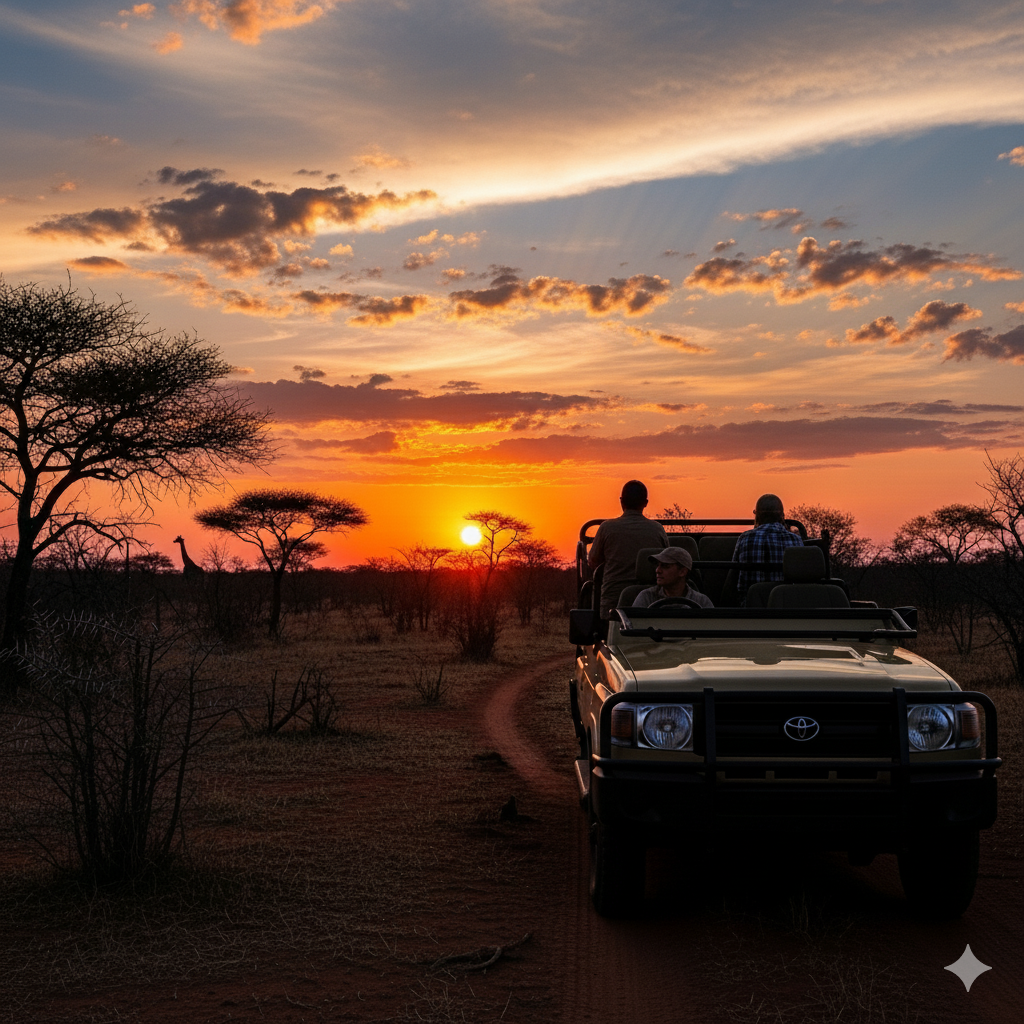
Start 5:30 AM or 06.00 depending on season
Why? Birds are most active at dawn. Light is golden. This is the time they make the most amount of calls which become a symphony. Fewer other animals moving means you can focus. By 9 AM when light hardens, bird activity slows anyway.
Duration: 3 hours with waterside visits where water-dependent birds concentrate.
The Patient Observation
Best birding isn't driving fast. It's stopping at good habitat, sitting quietly, watching.
Our guides know the spots: specific trees where kingfishers hunt, riverbank sections where herons fish, feeding areas where sunbirds compete.
Stop. Wait. Watch. The bird activity unfolds if you're patient.
Gear: What You Actually Need
Essential: - Quality binoculars (10x42 or 8x42, critical for bird identification) - Field guide (we recommend Sasol Birds of Southern Africa or Merlin app) - Notebook (record what you see, learn patterns)
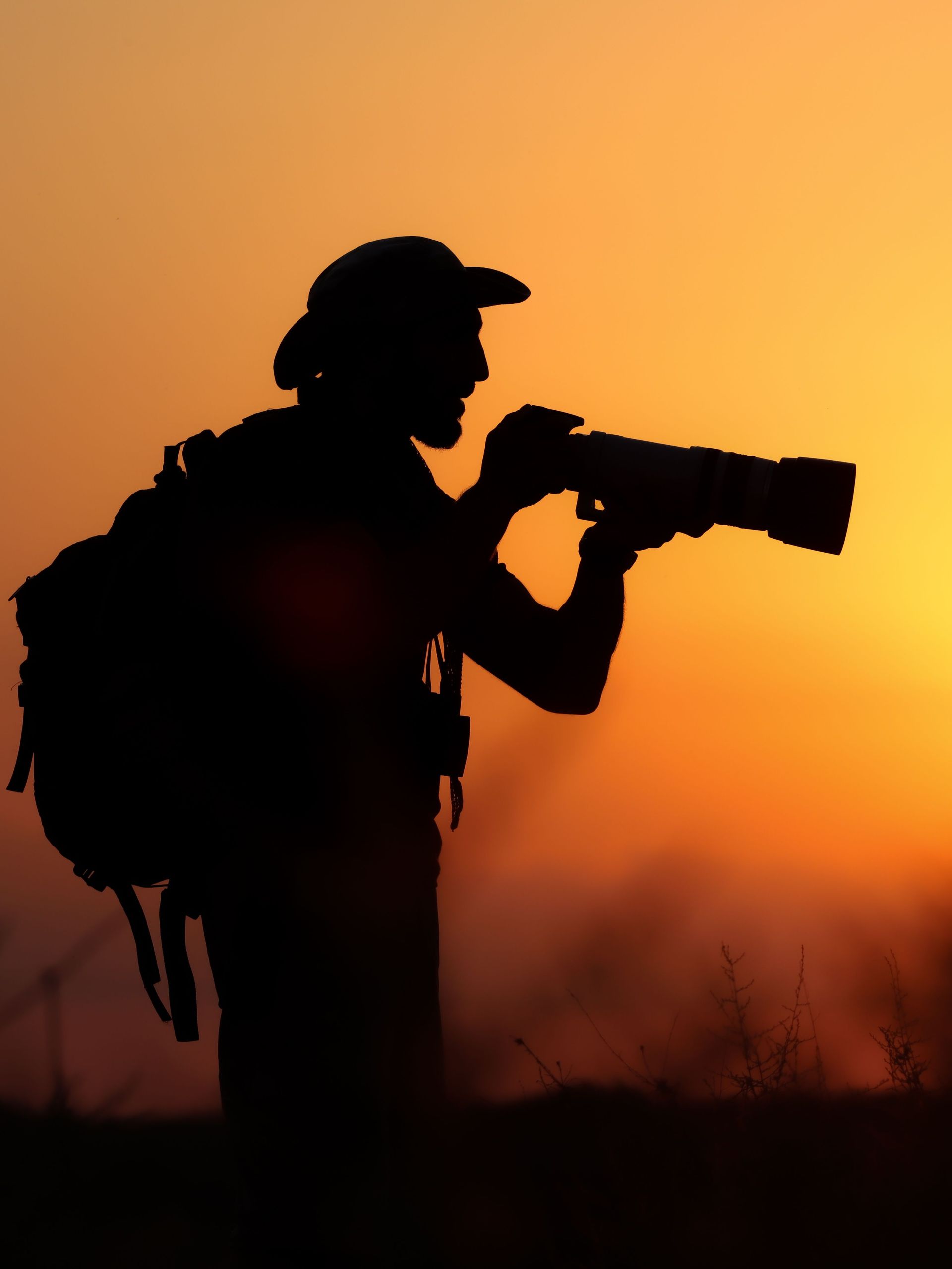
Optional: - Camera with telephoto lens (200mm+ for distant birds) - Camera phone on tripod mount (surprisingly effective) - Voice recorder (record calls for later identification)
Not needed: - Specialized birding gear - Expensive equipment - Prior experience
Most guests arrive as non-birders. They return as birders. That transformation happens through exposure, not expertise. Its a wonderful passion to develop as it is an activity you can indulge in back at home and on future trips to other destinations.
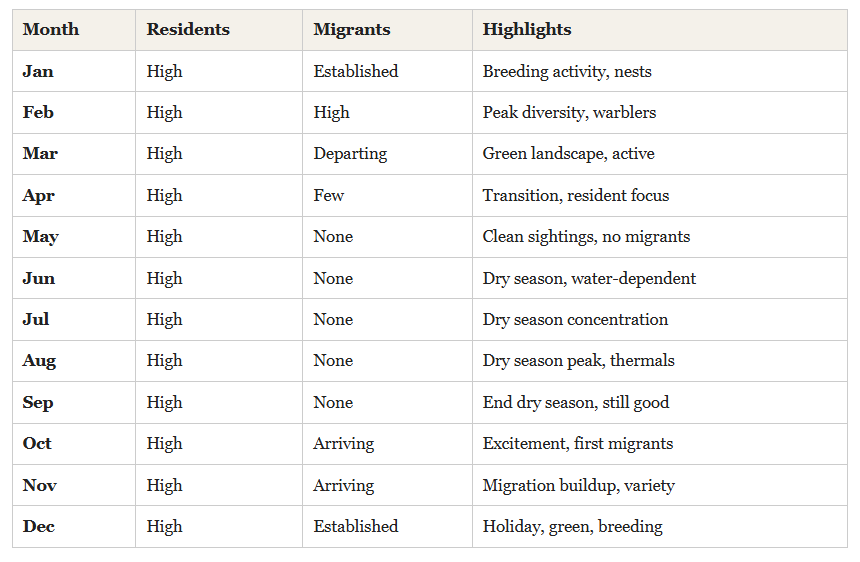
The Monthly Presence Guide
This is what you can reasonably expect each month:
What Guides Say About Birding
"Birders understand the bush differently," Themba reflects. "A non-birder sees trees. A birder sees habitat. That shift in perspective—that's when the whole experience deepens."
"I love when someone arrives skeptical about birds," Polite adds. "By day three, they're asking call identifications and buying a field guide. Birds open the door to everything else."
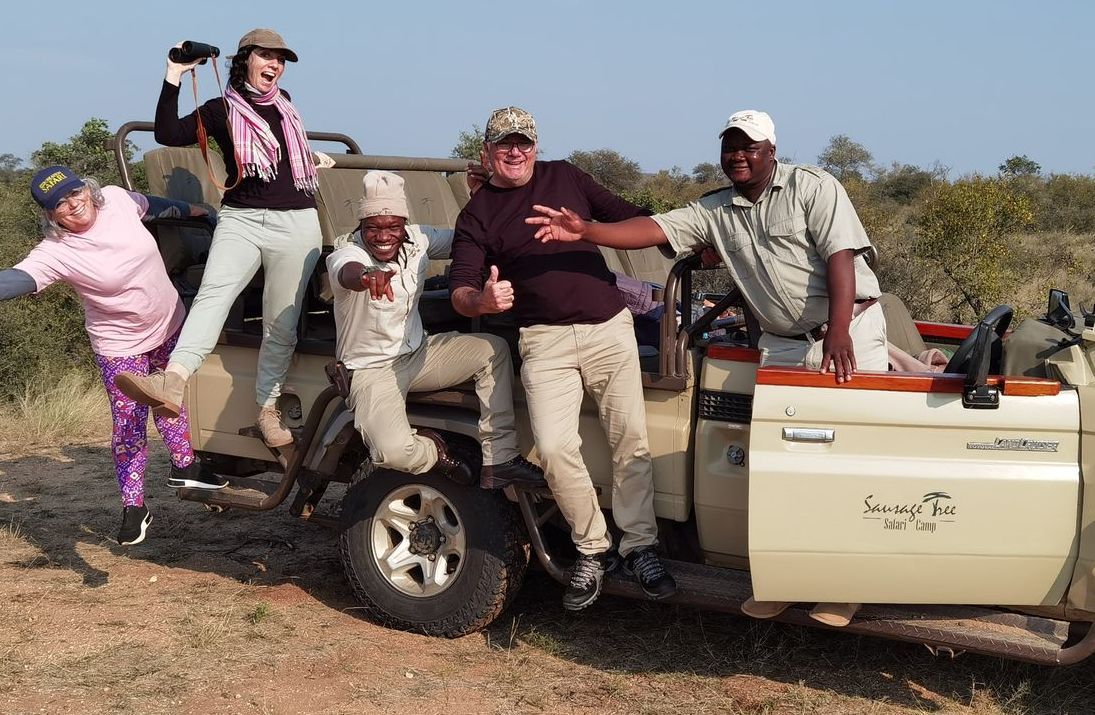
" I remember back in the early days when I was doing most of the guiding we had a delightful large family from Sweden. I had already picked up that they were keen on birds but only realised just how keen , keen can mean, when we approached a large dam and I stopped on the dam wall to point out a black rhino at the water's edge rolling around and generally putting on a great show which I was busy describing punctuated with my favourite fun filled facts about black rhino ....I suddenly experienced that feeling familiar to nature guides all over the world when you have the sixth sense that your audience behind you is paying no attention whatsoever to what you are recounting. I turned around to see they all had their binoculars trained on a bush below the dam wall on the other side for glimpses of some blue waxbills!"
Our Bird Checklist
We provide for sale at our camp a pocket sized Sausage Tree specific animal checklist for sale at a very low price with photos of 80 of the most common bird species:
This simple checklist transforms casual observation into intentional learning.
Ready to Start Birding?
ENQUIRE NOW and mention birding interests. We'll customize guides and activities.
Have birding-specific questions? CONTACT US and we'll discuss setup details.
Looking for other specialty guides? Check Photography Safari Tips or Best Time for Birders.
Author Bio
James Carne has spent 14 years watching guests transform through birds. What starts as "look, a pretty bird" becomes "I understand predator-prey relationships" becomes "I'm booking my third birding safari." That progression is one of Sausage Tree's great joys.
Every R50 from your booking supports Daktari Bush School, which teaches local children about the 280+ bird species that are their birthright.
Ready to discover the bird world? Book your birding safari or explore our safari adventures.