Family Safari at Sausage Tree Camp – Kids Guide
Age Guide: What to Expect by Age?
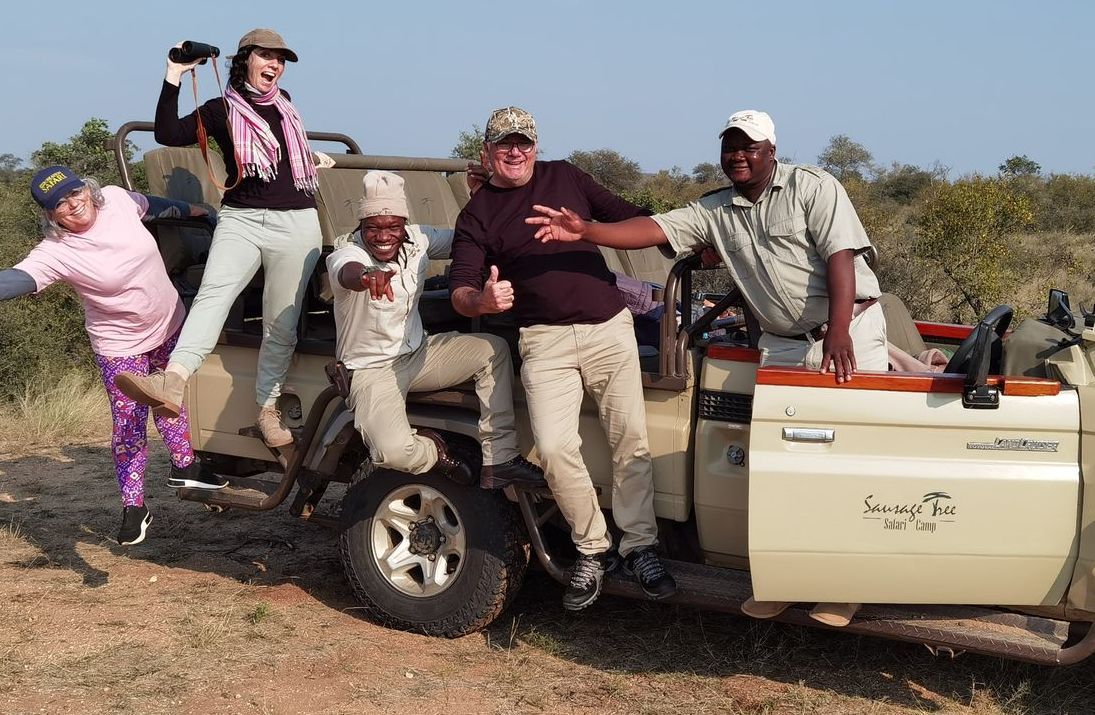
Your kids are sceptical. They've heard "educational" before and know it means boredom. Safari sounds good until they ask, "Will there be Wi-Fi?" and "How long do I have to sit still?"
Here's what we've learned after 14 years hosting families at Sausage Tree: kids do care about seeing the Big Five. However what they aren't expecting is the thrill of experiencing the bush. And when a 9-year-old realizes they just tracked a leopard using broken twigs and pug marks, or when a 14-year-old spots a bird species they'll never forget, something shifts. School becomes real. Nature becomes personal.
This guide addresses what parents actually worry about—and what makes kids genuinely excited and engages their attention even in this Tik Tok world.
Under 6: Full Camp Booking Only
Children under 6 can't join game drives without probably disturbing other guests but if those guests are family and friends then they can bring on board younger kids but not less than 3 years old and they must be responsible for their behaviour as we have to consider general safety as well as not disrupting guests on other vehicles in sightings. They can also enjoy the camp: exploring with supervision, watching animals at the waterhole, learning to track with guides in camp, swimming in our pool and discovering the fun of old fashioned board games.
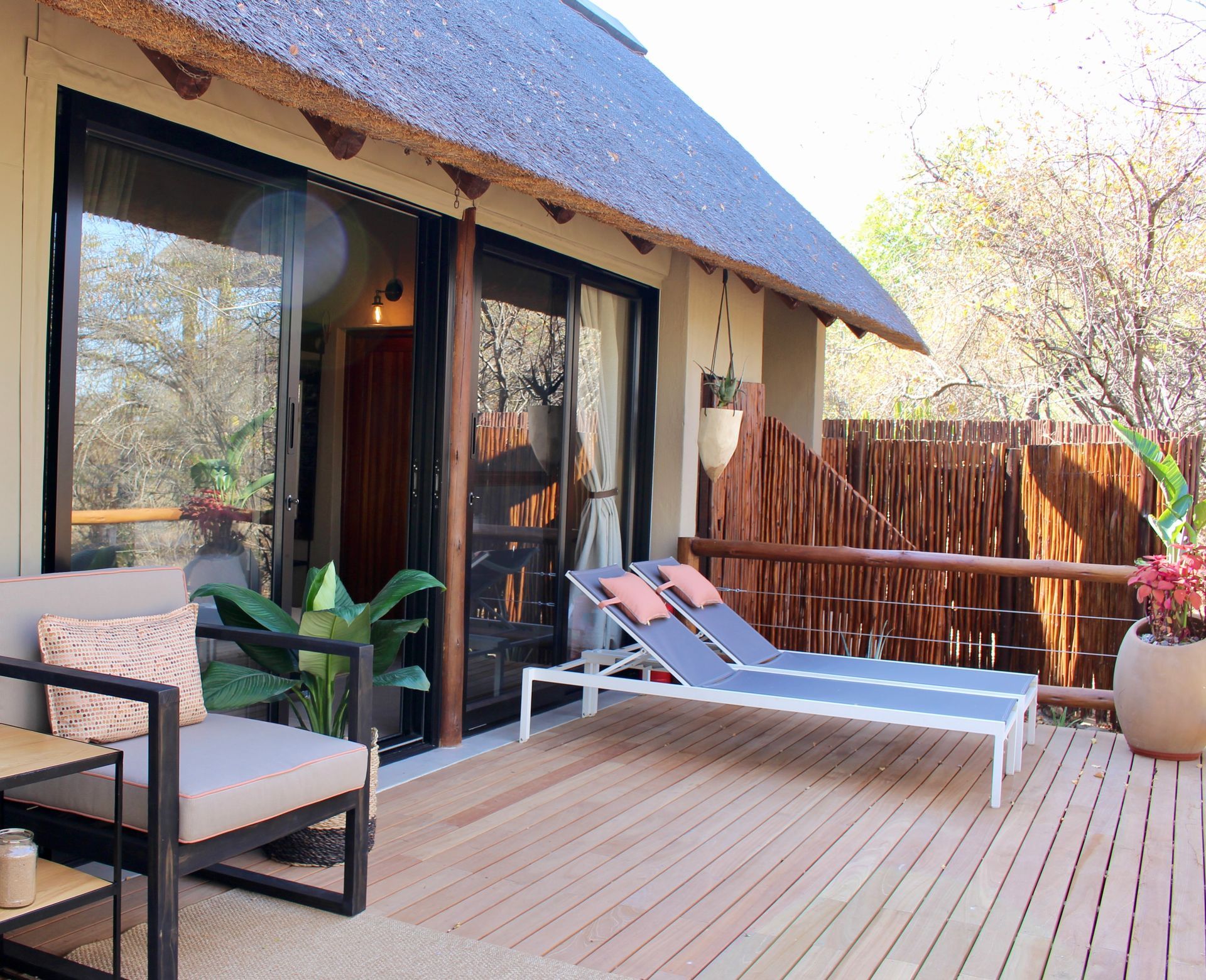
Requirement: Book the entire camp exclusively (5 tents = your family, friends, or extended group only). This gives us the flexibility and attention kids this young need.
Ages 6–8: Game Drives with Patience
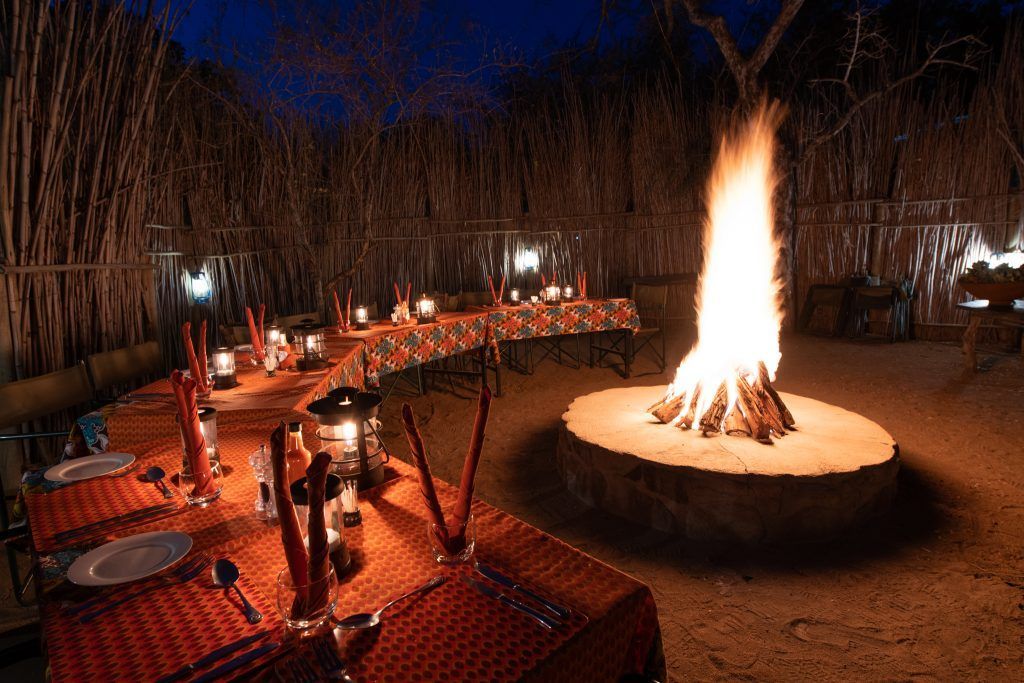
Kids can now join game drives, but expect: - Your child will have his own free copy of "A Guide to the Wild" book waiting for their arrival in your tent full of fun filled facts , animal sightings list to fill in , and puzzles - Main meals will be different to the adult menu , smaller portions and designed for kids - 3 hours with stops for bathroom breaks , morning hot chocolate drinks and home baked rusks , afternoon cool drinks and snacks - Frequent stops for bathroom breaks, snacks, water - Guides who understand that "look, a bird!" is exciting for 7-year-olds even if it's not a Big Five animal - Star gazing and constellation identification during the final part of the afternoon drive - Evening braai around a fire under the stars
"My daughter was 6 on her first safari," recalls a returning parent. "I thought she'd complain the whole time. Instead, she spent hours spotting birds and asking our guide Polite a thousand questions. She still talks about 'her' game drives."
Ages 8–12: The Prime Age
This is when safari becomes genuinely transformative. Kids are old enough to sit still, curious enough to ask brilliant questions, and young enough to find pure magic in animal encounters.
They're emotionally equipped to handle seeing predator-prey interactions (realistic, not traumatic). They can participate in optional tours,ie Panorama Route , Moholoholo Rehabilitation Centre, Daktari Bush School for underprivileged rural schoolchildren and animal orphanage, Blyde Dam boat trip
Ages 12+: The Sceptics Who Convert
Teenagers arrive convinced safari is for old people and tourists. They're wrong, but don't tell them that.
What works: Giving them responsibility. Let them be first to find the next animal. Ask them to photograph a specific behavior. Let them lead the walk with a guide for an hour to have explained in a fun and educational way the art of animal tracks identification, animal dung identification and giraffe dung spitting competition as well as tree and bushes traditional medicinal uses. Suddenly they develop from box ticking passenger to real nature lovers with a the beginning of a life long interest and passion.
"My 14-year-old son thought this would be torture," laughs a mother from their last August visit. "By day two, he was asking for photography tips from our guide. By day four, he'd filled a journal with wildlife observations and requested we book again next year."
What Kids Actually See vs. What They Expect
They expect: Non-stop Big Five action, predator hunts every day, constant adrenaline.
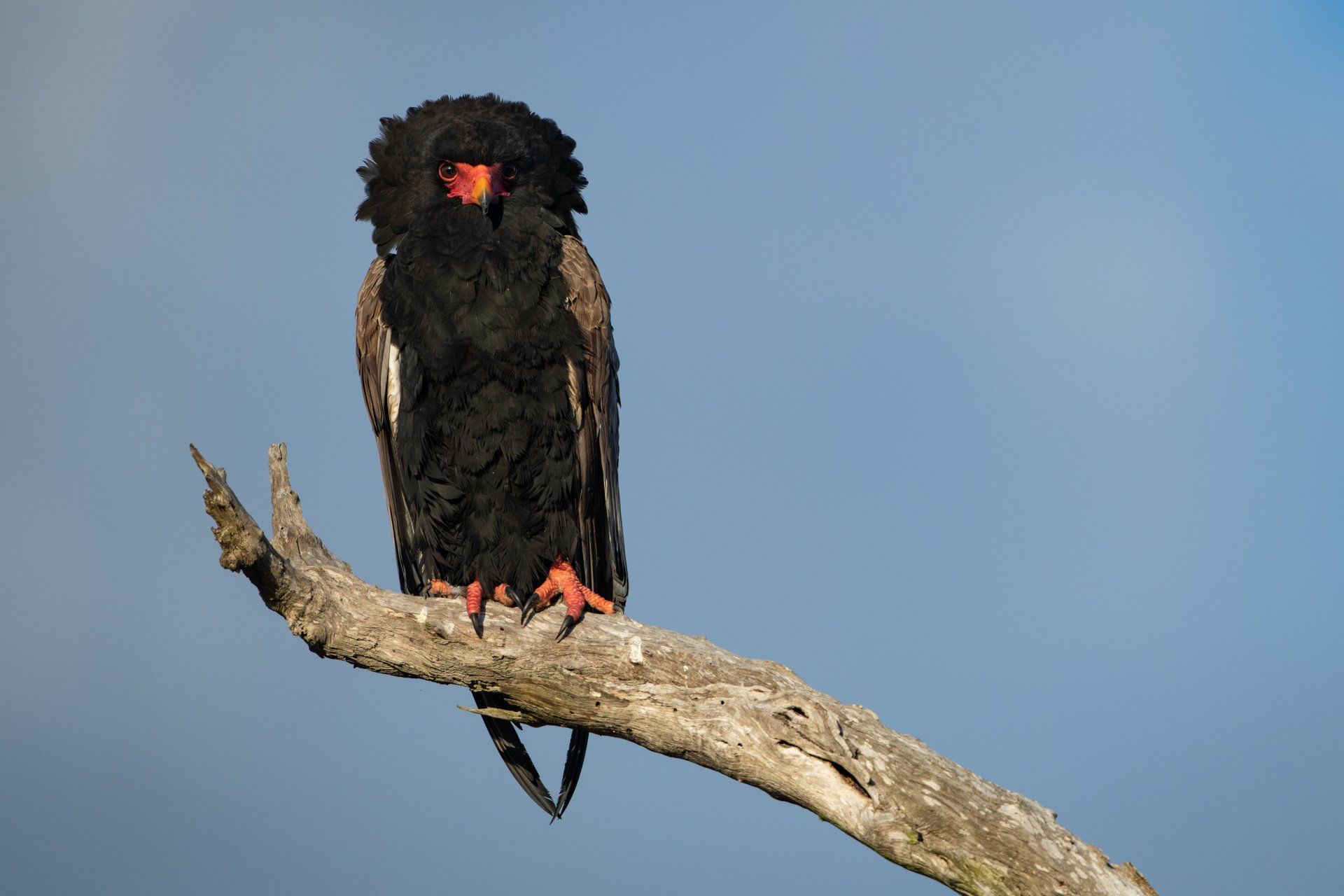
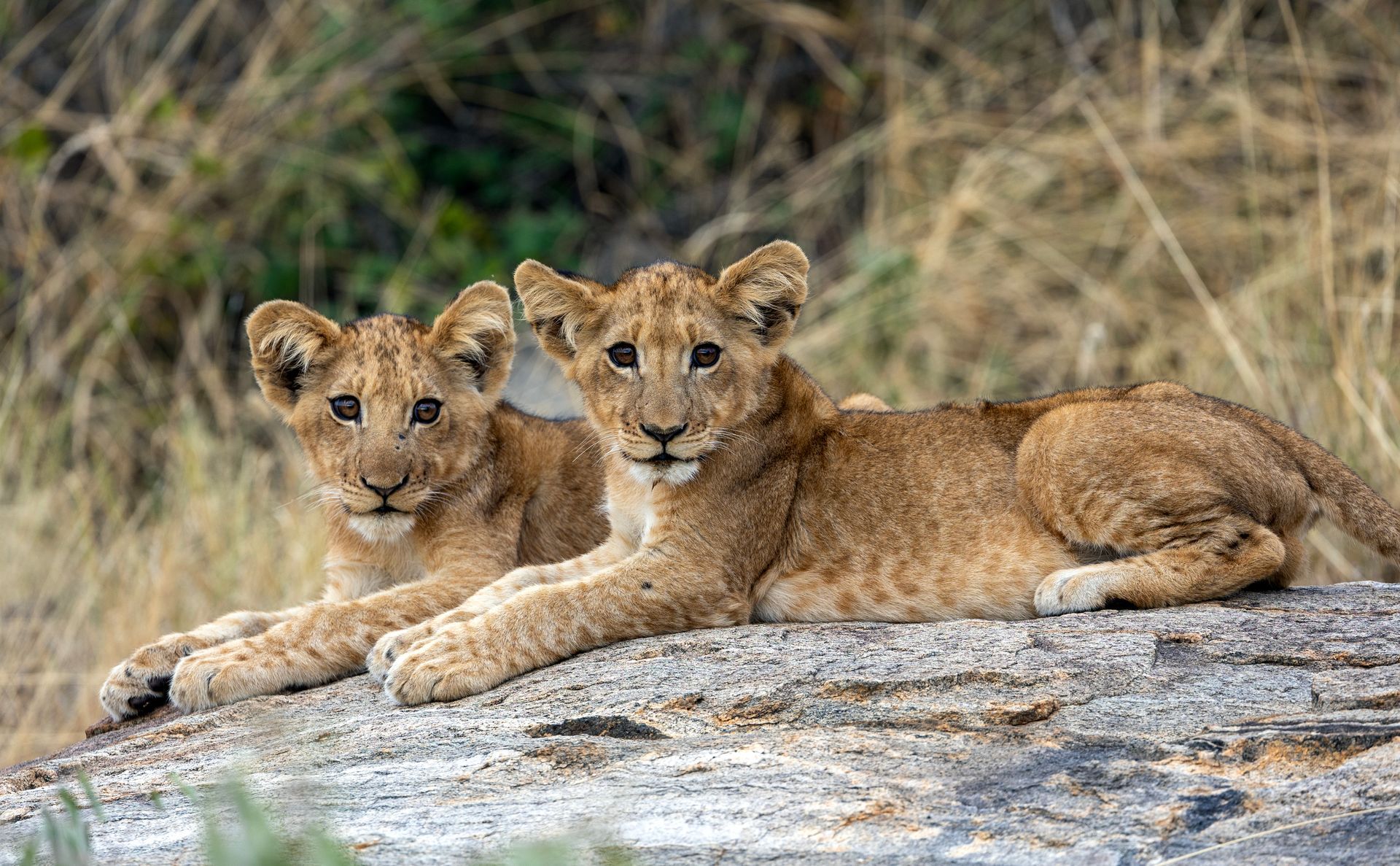
They actually see: - Antelope species (Duiker, Steenbok, kudu, impala, waterbuck ,Nyala and Klipspringer—actually fascinating once you understand differences) - Birds (way, way more birds than expected, and our guides have in depth knowledge of their different behaviour which adds to the fascination and appreciation ) - Hippos and crocodiles (always a thrill to see) - Elephants (almost guaranteed, and they never get old) - Lions ( often just lying around but sometimes on the move - Leopards (less predictable, but magical when they happen) - Wild dogs (rare, unforgettable) - Spotted Hyena (fascinating and if they have young cubs at a den , cute and curious as you like - and maybe , just maybe you might be lucky enough to be in the right place at the right time to witness a predator - prey chase , more likely predators on a kill with vultures waiting their turn on surrounding trees. If you are incredibly lucky you might even get to see a successful kill.
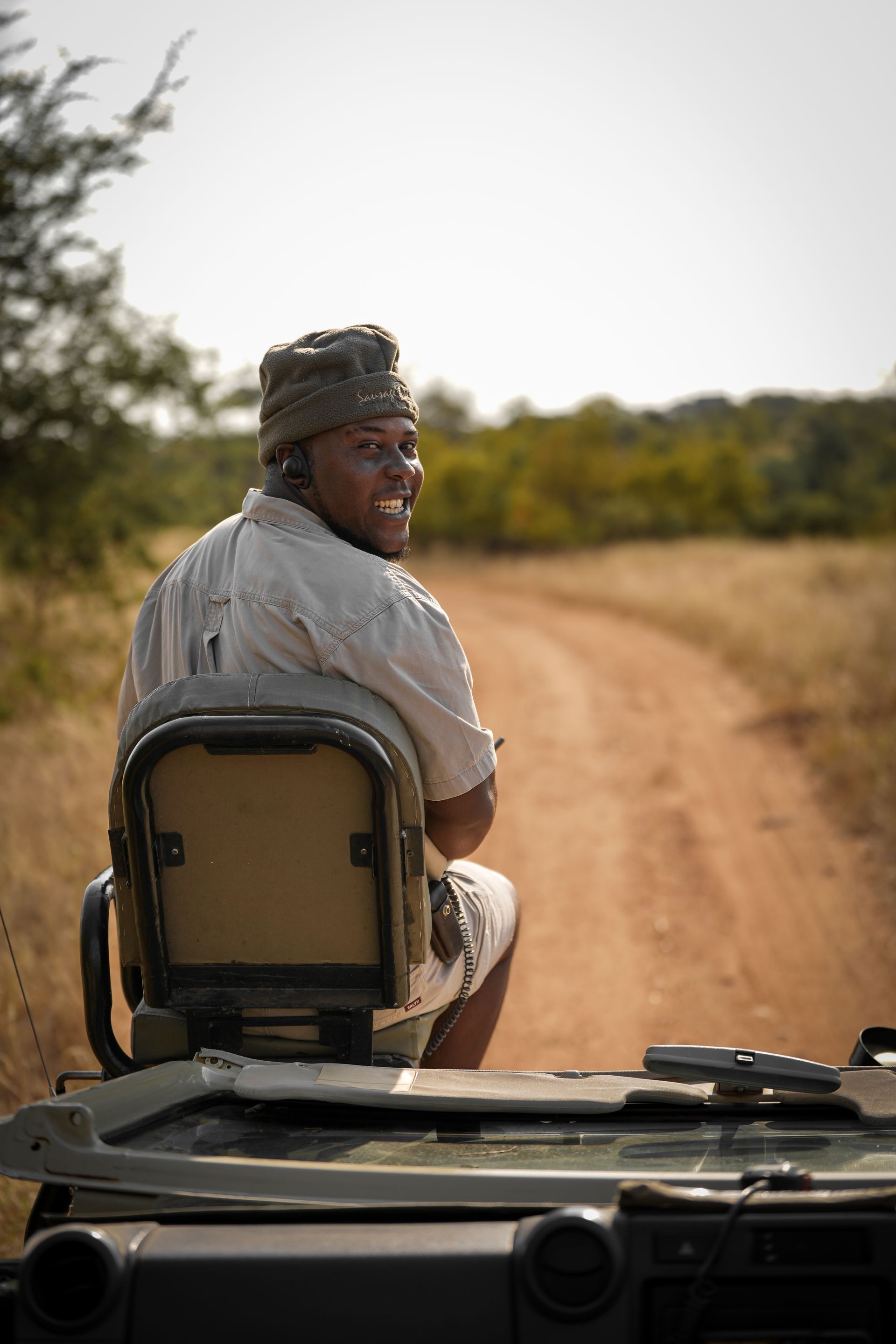
What actually hooks kids? Stories. When guide Themba explains why a young male lion separated from the pride, or Polite points out termite mounds and explains their architecture, or Life finds a track and describes what animal made it—that's when kids lean into it.
"My daughter expected to see animals. What she got was education delivered by someone who genuinely loves the bush," one parent shared. "She asked to come back immediately."
Game Drives: The Reality
Morning Drives (5:30 AM or 6.00 AM Start depending on the season)
Kids will complain about the early start. They'll be sleepy stepping into the vehicle. By 6:15 AM, they're awake. By 6:45 AM, they're spotting wildlife.
"It's not natural for kids to wake that early," Our tracker Life explains "But the magic of seeing the bush wake up, hearing and seeing birds starting to sing, animals coming to water—that's worth the sacrifice."
Afternoon Drives (4.00 0r 4.30 PM Start depending on the season)
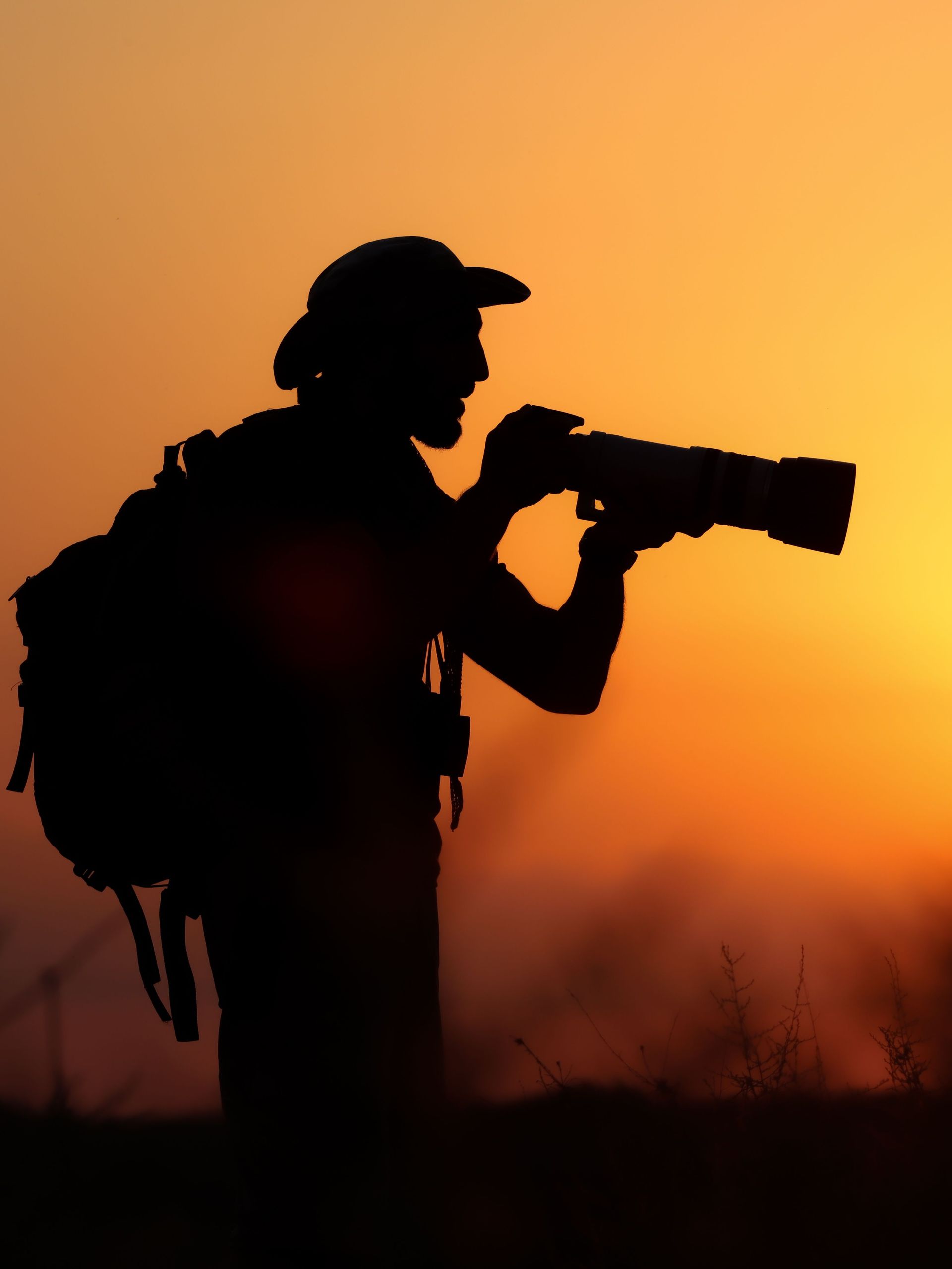
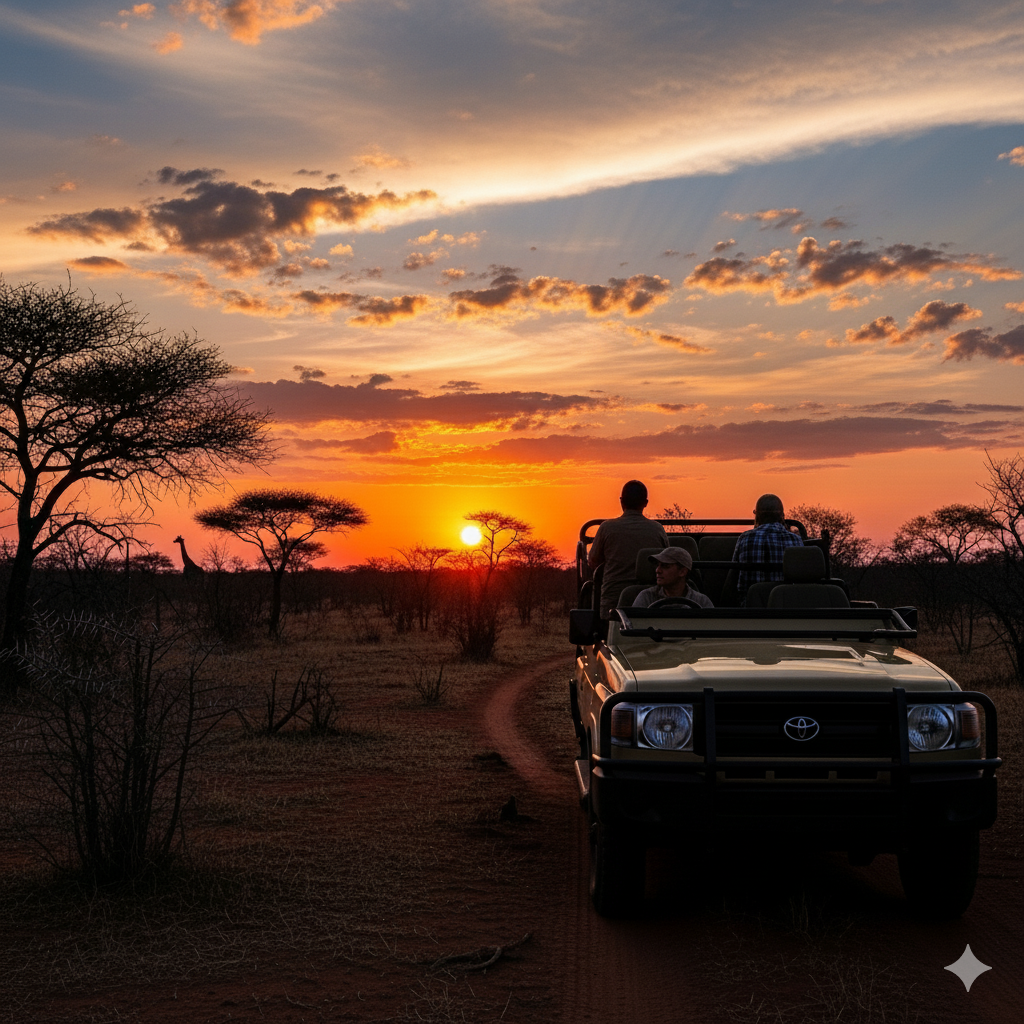
Easier timing. Kids are already awake and have had lunch. Afternoon light is golden (photographers love it). Temperature is warmer.
What Makes It Work
- Our Guides who understand kid-pace (stopping for questions, not rushing)
- Our Guides with patience for "why" questions (the important ones for learning)
- Our guides keen senses of bush humour, dad jokes, and asking kids questions ie how long do you think a crocodile can stay underwater?
- Snacks
- Stops (bathroom, stretching, looking at something specific)
Beyond Game Drives: What Hooks Kids Long-Term
Track & Sign Experience
Shorter than you'd expect (1 hour), slower-paced, and suddenly kids feel like trackers instead of tourists.
"Our guide showed our kids how to read a track in the sand," reports one family. "For two days after, they were reading everything—tracking each other around camp, making sense of pug marks near their tent. They were engaged in a way few activities create."
Daktari Bush School Visits
This is where conservation becomes real. Kids meet baby animals, learn why rehabilitation exists, understand poaching and habitat loss—not as abstract concepts, but as real stories.
One 10-year-old watched a baby giraffe (brought by another sanctuary) meet our guides and became committed to wildlife conservation on the spot. "He's now planning a career in wildlife biology because of that one hour," his mother reported.
Night Sounds & Nocturnal Safari
The bush sounds different at night. Different animals emerge. Kids hear elephants and hyenas calling, look for chameleons, bush babies, civets , genets, nightjars and porcupines. The experience is deeper when the daylight context is removed.
Boma Dinners
Dinner under the stars around the fire, with stories from guides, conversations with other guests, and the African night as backdrop. Kids settle down (finally tired), listen to real stories from real people, and absorb as much in that hour as a in a day of activities at school.
Meals & Food
Flexibility Is Default
We work with every dietary need and preference: - Vegetarian, vegan, gluten-free, allergies—all manageable - Kids who won't eat "exotic" food get plainer alternatives
"Chef Pitso made separate meals for our vegetarian daughter," one parent notes. "Not grudging alternatives—actual good food she wanted to eat. It mattered."
Accommodation Costs
- Kids 6 - 12 years are at 50% of adult rates
The Nighttime Question: Managing Fears
Kids ask: "What if a lion gets in the tent?"
The answer: It won't. Here's why:
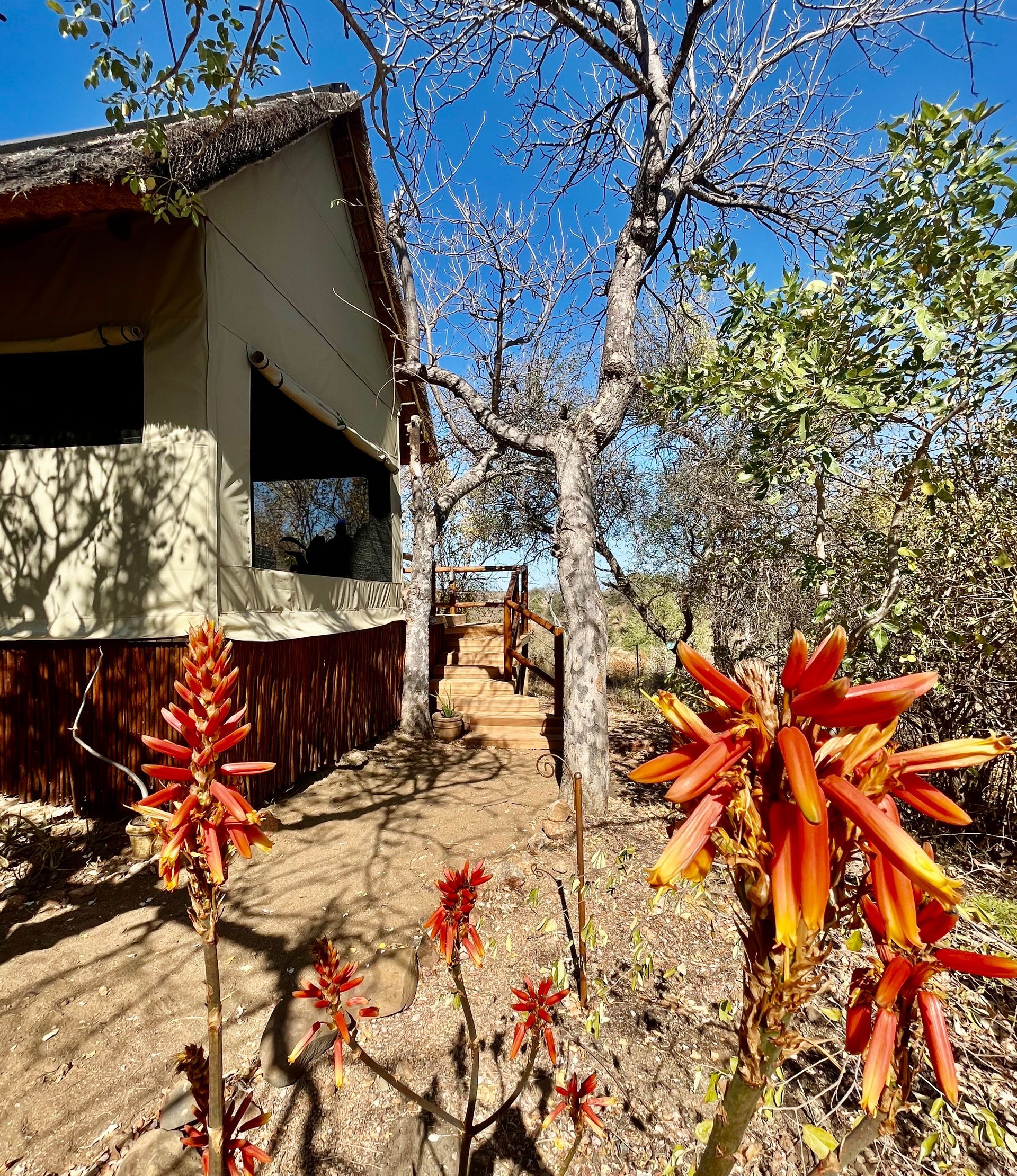
- Your tent is not silent. Animals know you're there
- Lions actively avoid human camps
- There is an anti predator electric fence encircling the entire camp perimeter
- The sound carries differently in the bush—you hear distant animals as closer than they are
What actually happens? Kids hear, distant elephant calls, maybe hyenas. They realize their fear was bigger than the actual sound.
"Our first night, our 8-year-old was terrified," laughs a parent. "By day two, she was disappointed if she didn't hear lions calling. She wanted the 'scary' experience."
Malaria & Health: Parent Concerns
Malaria Reality
Olifants West is low-risk. Children on proper prophylaxis plus insect repellent and clothing protection are well protected
- Consult your travel doctor 4–6 weeks before departure
- Malarone is common for families (once-daily, well-tolerated)
- Doxycycline available but less common for kids
- Apply repellent daily, use it correctly
Other Health Considerations
- Sunscreen: Critical. SPF 50+, reapply frequently
- Dehydration: Kids dehydrate faster. Insist on them drinking lots of water
- Diarrhea: Bring medication. Happens occasionally; not serious if managed
- Insect bites: Itching drives kids crazy. Pack hydrocortisone cream in case of bites
One parent's advice: "Don't make kids anxious about health precautions. Make it normal. 'We put on sunscreen like we brush teeth.' That's it."
Setting Kids Up for Success
Before You Arrive
- Show them videos of Sausage Tree from our website and YouTube channel
- Read them stories about African animals
- Let them choose their own binoculars and field guide
- Talk about why we wear khaki (becoming invisible to animals)
- Manage expectations: "We'll see antelope and maybe lions. We might not see leopards, but we'll look for them."
First Day
- Let them explore camp with supervision
- Introduce them to guides (they'll be more excited if they know who's taking them out)
- Small activity (walk around camp, waterhole observation)
- Early bed (the 5:30 AM start is real)
Mid-Stay Momentum
- Kids settle in day two
- By day three, they're fully bush veterans
- This is when breakthroughs happen (tracking skills develop, wildlife encounters feel earned)
End-of-Stay
- Let them journal or draw observations
- Give them a small memento (pressed leaf, small stone from the waterhole)
- Take photos of them with guides (these become memories)
What Parents Say
"We booked thinking our kids would tolerate safari. They're already asking when we can return."
"My teenagers went from eye-rolling to genuinely engaged. The guides treated them like junior researchers, not tourists."
"This was the trip that changed how my family sees nature. My kids now care about conservation because they met animals they loved."
Ready to Book Your Family Safari?
ENQUIRE NOW and mention your children's ages. We'll tailor the experience.
Have specific questions about malaria, activities, or meals? CONTACT US and we'll address concerns directly.
Looking for other family-focused articles? Check Best Time to Visit for Families, Packing Checklist for Kids, or What Kids Actually See on Safari.
Author Bio
James Carne is the co-founder of Sausage Tree Safari Camp and a parent himself. Over 14 years, he's watched sceptical kids transform into passionate wildlife enthusiasts. He knows families aren't just smaller groups—they're individuals with different needs, fears, and magic thresholds. Every family is unique. We treat each one that way.
Every R50 from your booking supports Daktari Bush School, which educates local children in conservation. Your family safari helps fund another child's first wildlife experience.
Ready to transform your family? Book your stay or explore family packages.