
Find out more about our fabulous frogs
Mike Lawrie • February 6, 2020
There's very little to compare to the sound of the African bush on a summer night, with a cacophany of calls from a myriad creatures overwhelming your eardrums. Most intriguing are the often electronic-sounding, piercing beeps, bips and bops emitted by some of our smallest and most numerous inhabitants - frogs.
They proliferate during the rainy, green season which is when they mate and reproduce, with ponds, waterholes, puddles and dams filled with tadpoles of all shapes and sizes. And you'll frequently find them in and around Sausage Tree Safari Camp, especially after a downpour.
The three most frequently seen species here on the Balule Private Nature Reserve are the grey foam nest tree frog, the bushveld rain frog and the painted reed frog.
The grey foam nest tree frog is a fascinating little amphibian. As its name implies it's an arboreal frog and doesn’t really swim or spend time in water, although it does need the water to rehydrate. Its slightly bumpy skin changes colour in response to ambient temperature, ranging from white and pale grey to a mottled, patterned brown. Insectivorous, they've got the reputation for having one of the most extreme mating rituals in the animal kingdom! A single, fertile female is literally "encased" in males for hours on end, which cluster around her, using their back legs to help her whip a sticky liquid she secretes into a frothy foam. She lays up to 1000 eggs into this foam "nest" which is located above a water source. The eggs are fertilised by the multiple males who surround her.
The foam stops the eggs from dyring out until the tadpoles hatch and wriggle out of the foam, dropping into the water below to complete their metamorphosis.
Like many frogs, during the dry season the foam nest tree frog has adapted to allow it to survive without water. Its skin, for example, is resistant to evaporation and they aestivate - spending months in a torpid "dormant" state.
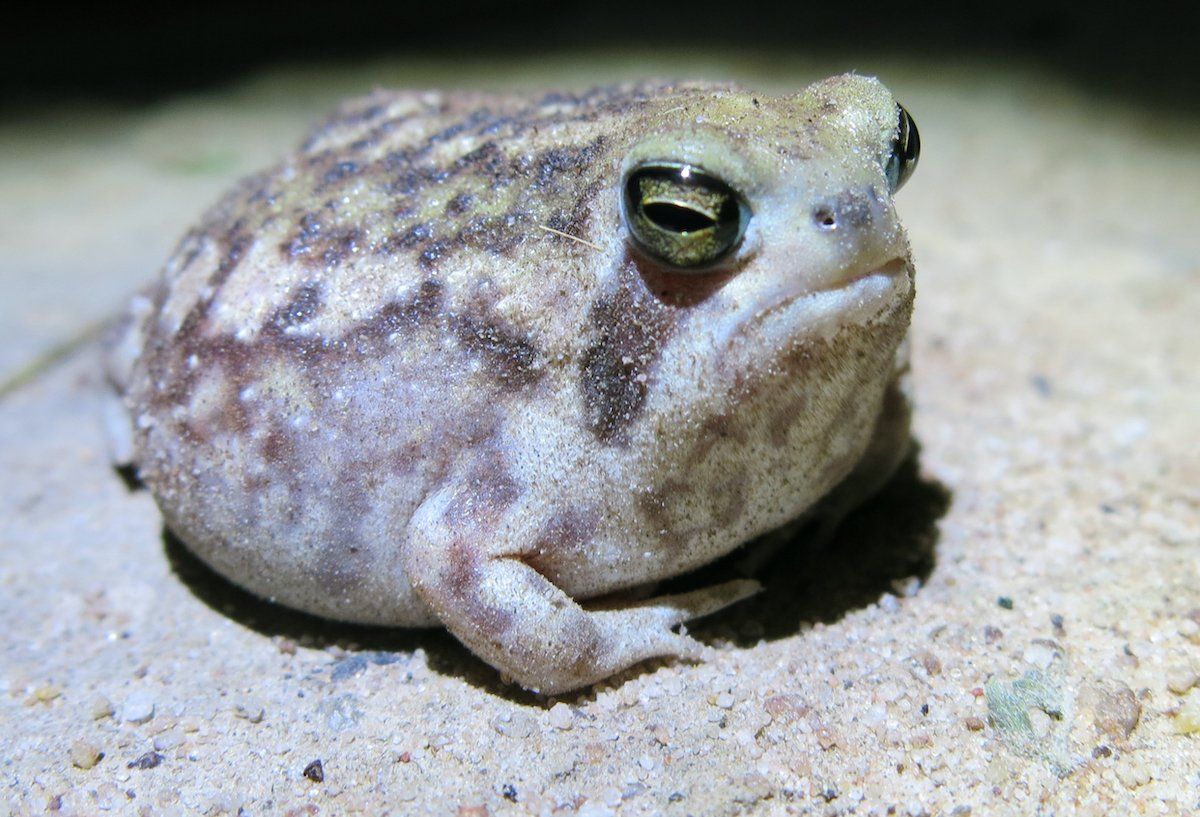
The bushveld rain frog is about as different as its possible to get! Also insectivorous, it lives underground, emerging usually at night after heavy rains to find food and to mate. It's an odd-looking frog, with a round, stumpy body, short little legs and an extraordinarily grumpy-looking face. It's able to inflate its body if attacked, making it look even more comical.
With its short little legs the male bushveld rain frog has a problem when it comes to mating, as its legs are not long enough to firmly grip the female. So the female secretes a kind of organic "glue" from her back to help the male stay in place while mating. Stuck together, they burrow backwards into the soil in search of a moist spot in which to lay eggs, which hatch into froglets rather than tadpoles. After mating, a release agent is secreted to allow the frogs to separate!
The painted reed frog is the most colourful of the frogs found around Sausage Tree Safari Camp. It's also one of the most common species in the area. The clue to their appearance is in their name, as they are colourful and intricately patterned. They emit a short, high-pitched whistling call which, if you are standing close to them, can actually make your ears ring! It's this call that attracts females and the males are careful to select the best "call" sites after rain where they call from dusk to around midnight each night. Call sites are usually ponds or other water sources, although the males will also call from reeds and trees, calling consistently for successive nights.
The females hear the call and make their way to the males, entering the pond and selecting a mate, laying eggs in the water which hatch into tadpoles a few days later and become fully formed frogs within eight weeks.
The 280+ Species: What You'll Actually See

Age Guide: What to Expect by Age ?
Choosing the best time to visit Sausage Tree Safari Camp

Romance Under African Stars

Photography Safari Tips
"You see that broken twig? The way it's snapped tells me a young bull elephant passed here maybe two hours ago. He was relaxed, probably heading to water."
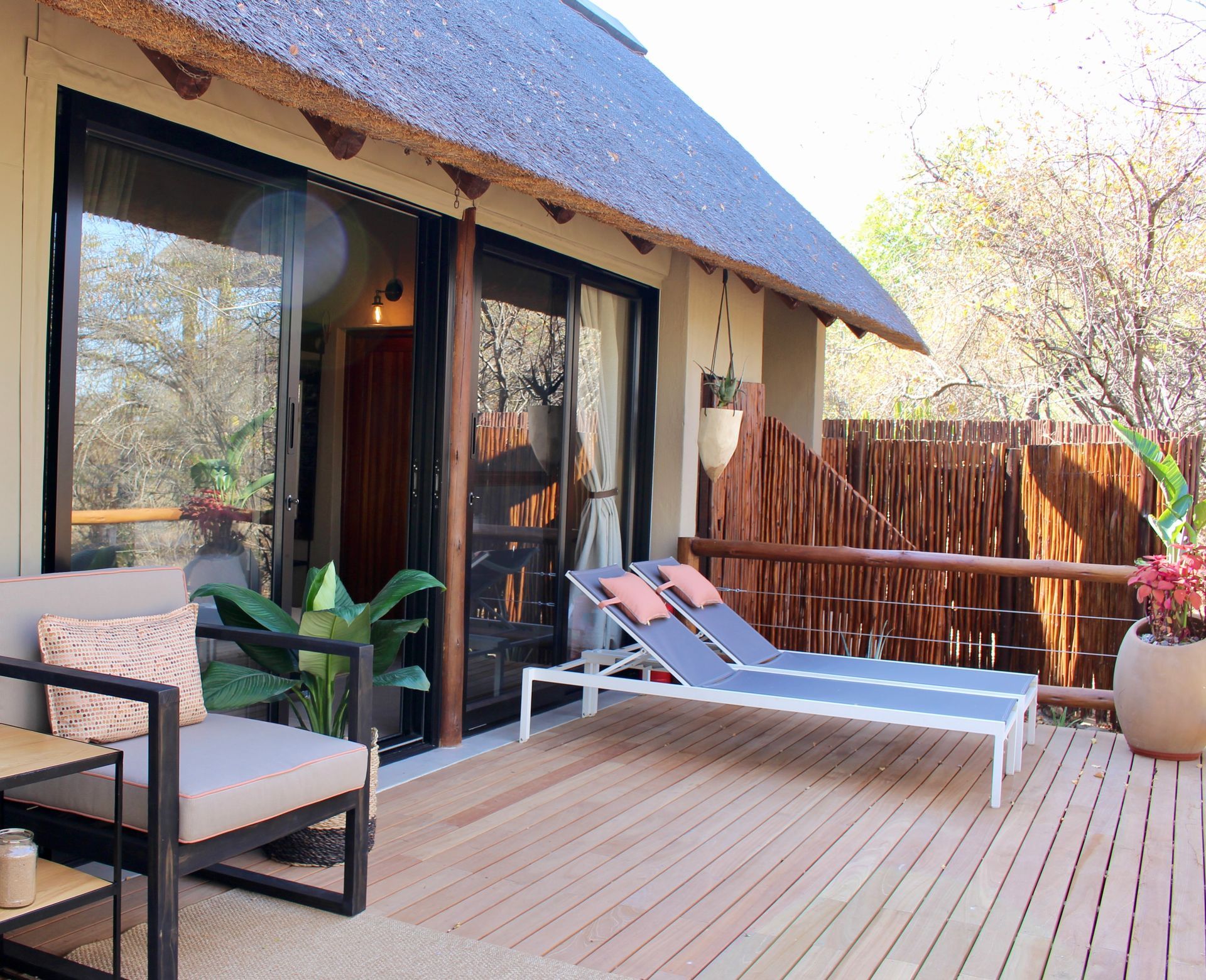
Experience our newly upgraded Luxury Tented Suites with sliding glass doors, expanded decks, spacious interiors & family-friendly options at Sausage Tree Safari Camp in Greater Kruger.
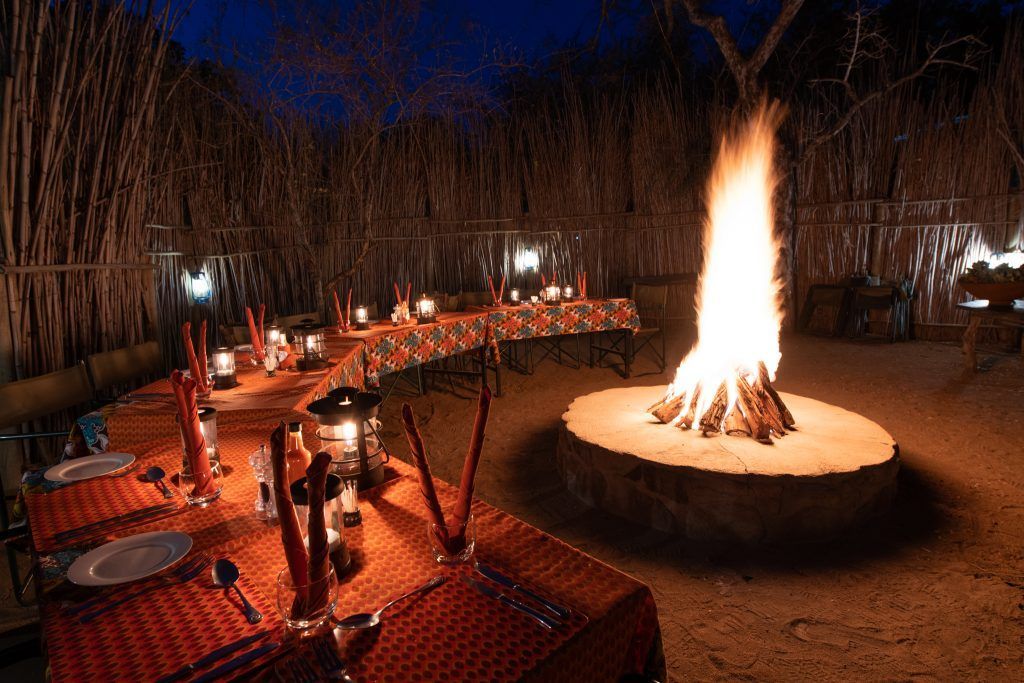
Pitso's journey to becoming the heart of our kitchen began in 2012, when he arrived as a young assistant chef, eager but uncertain. "I knew how to cook," he recalls, "but safari cooking? That's different. You're not just making meals – you're part of the whole experience."

African bush sounds, night safari experience
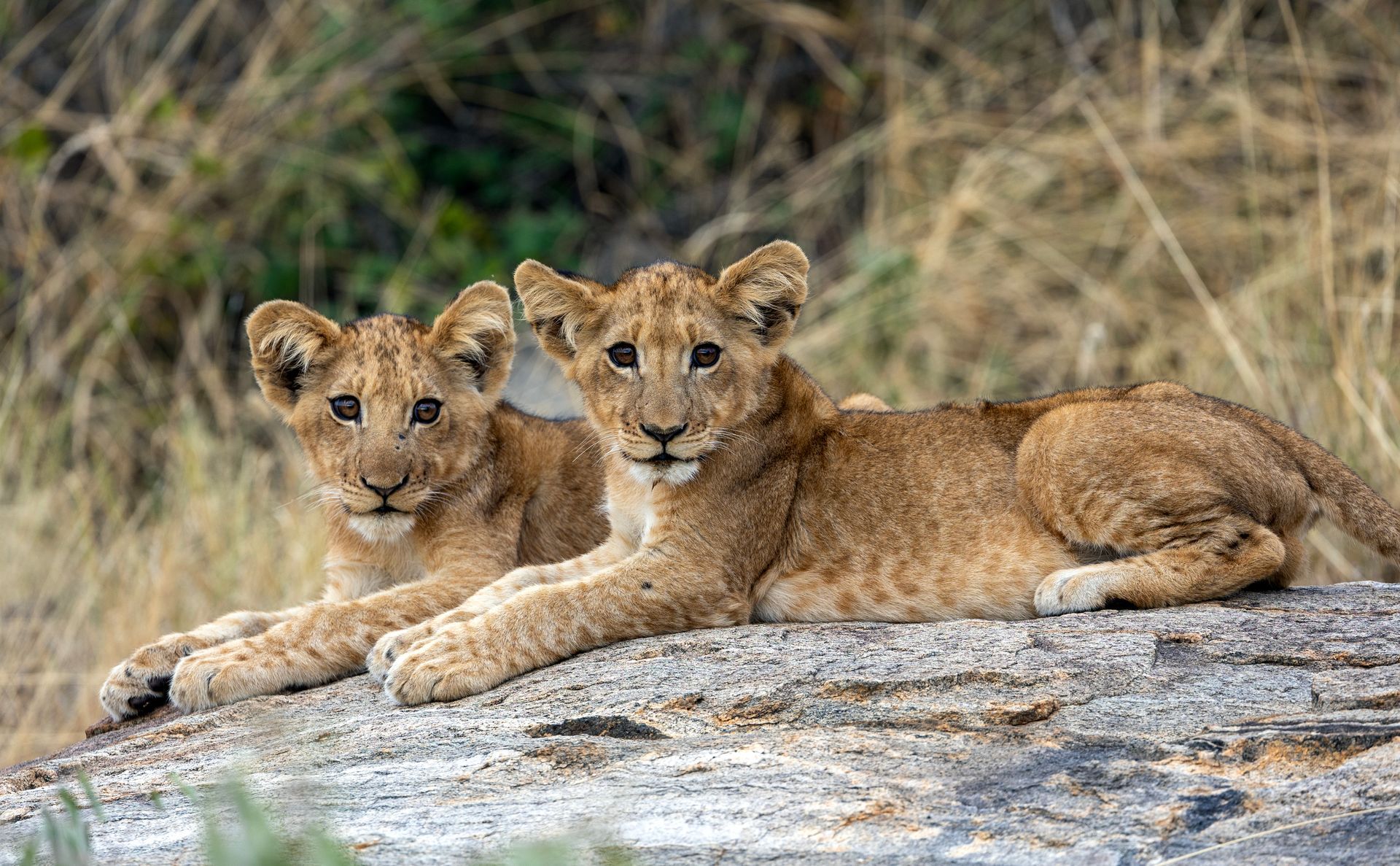
There's something magical that happens in Olifants West Nature Reserve when August rolls around.