RAIN IS THE KEY TO EVERYTHING AROUND US
James Carne • January 13, 2021
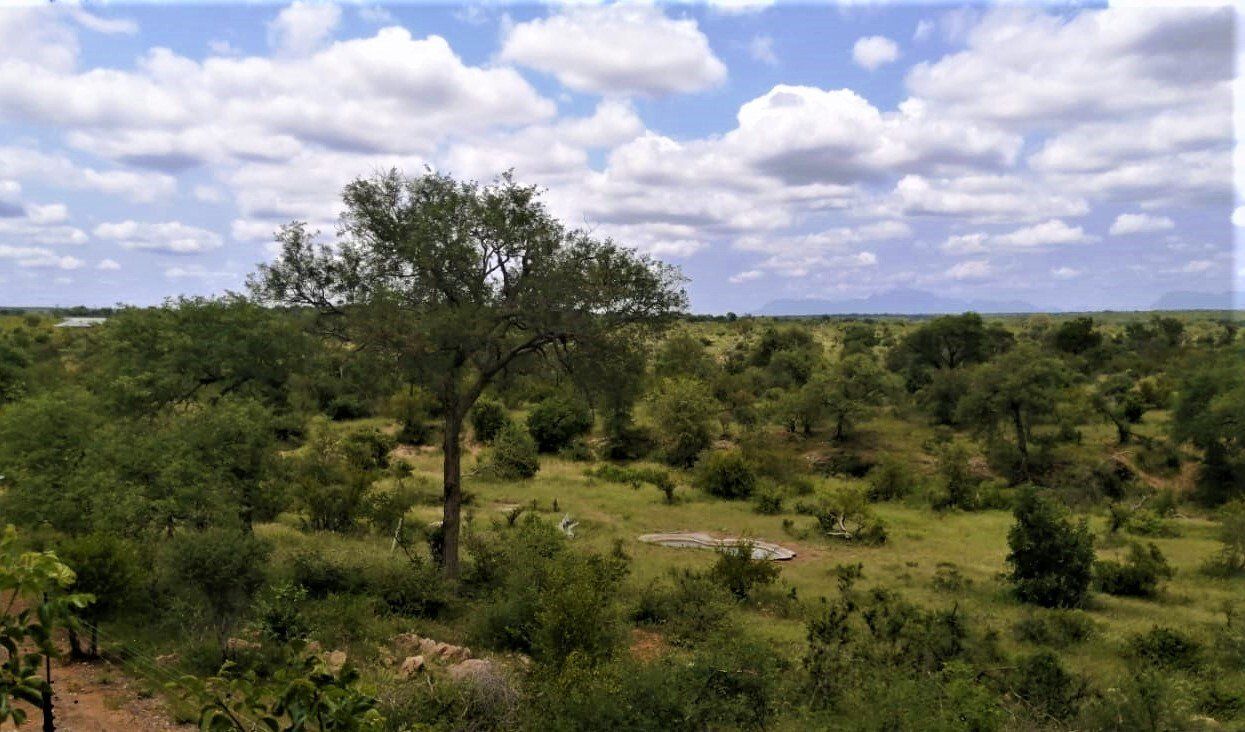
Here in Balule , Greater Kruger National Park, we received our first rains in early September which is unusual but not unheard of. Untypical of recent years is that more rain has been forthcoming in regular intervals without any hectic, intense downpours that can do more harm than good by causing surface run off, flooding and destroying roads.
As we start the new year we already have over 300mm of rain recorded (our area average is 345mm) rainfall since the beginning of this summer season and a strong certainty of more to come until end of the summer in April. According to the South African weather service this is because the El Niño Southern Oscillation is in La Niña as opposed to El Niño and the forecast indicates that it will most likely remain in La Niña during late summer.
La Niña is a periodic cooling of ocean surface temperatures in central and east central equatorial Pacific and typically occurs every three to five years. The knock on effect for Southern Africa and more specifically for the Lowveld is above average rainfall.
This will refill our underground aquifers which dropped significantly during the El Niño years with lower than average rainfall we have been experiencing over the last six years. The general growth of human developments in the Lowveld, a low rainfall area, has put a a lot of stress on water resources.
The upshot of all this is that our bushscape looks magnificent , green and lush, and food is in abundance for the herbivores and pools of water abound. Newborn of various species are strongly in evidence. Herbivores are putting on fat. Which will carry them through our dry winter. The migratory birds are being rewarded for their extraordinary journeys with an explosion of alates , the prince and princes of the termite colonies that have been fattened up courtesy of the worker termites in their underground nurseries ready for their once in a lifetime flight.
We anticipate that the beautiful orb spiders that have been noticeable by their absence during our recent drought years will be back in force but we must be patient as they are busy laying eggs that will probably not hatch until this time next year.
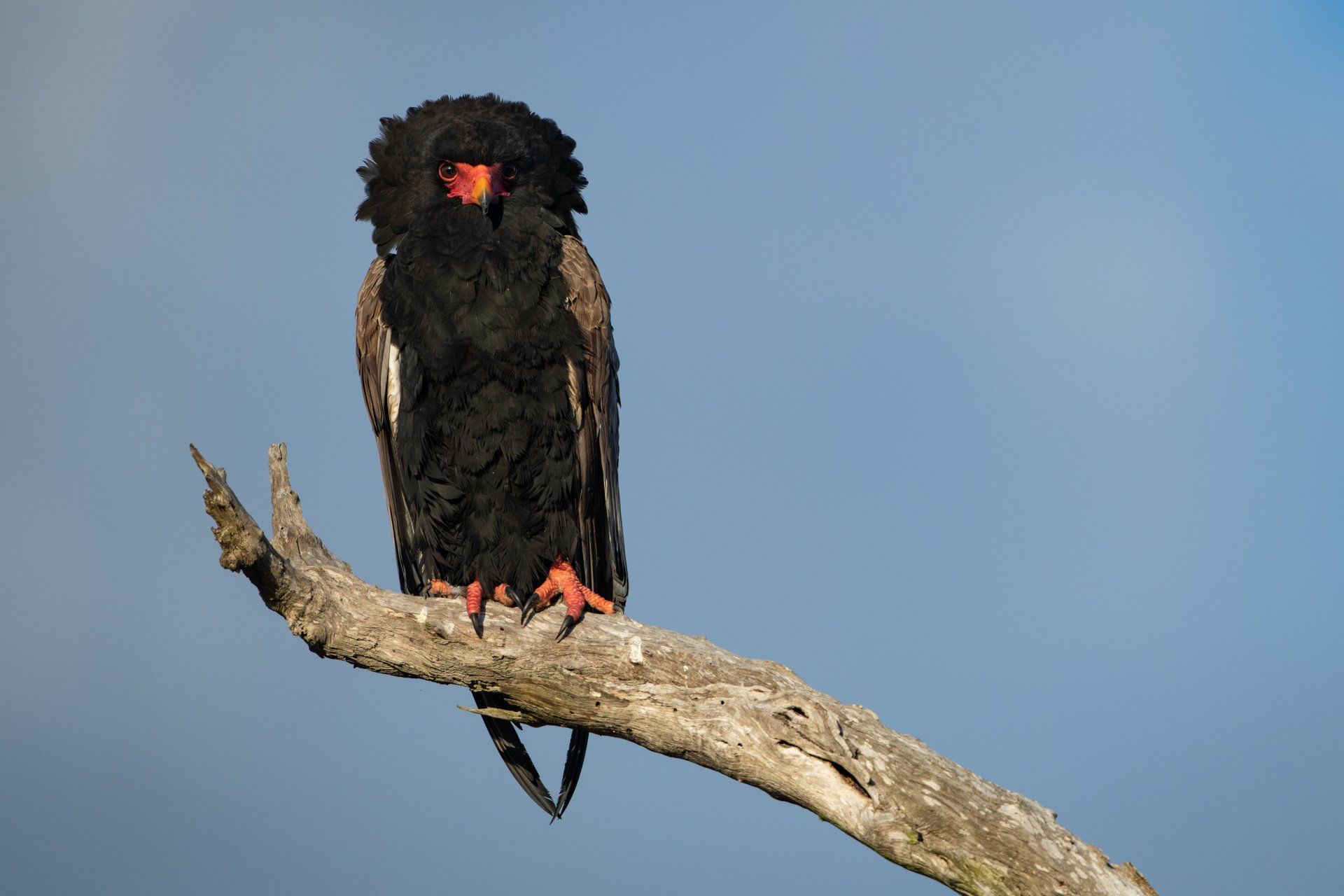
The 280+ Species: What You'll Actually See
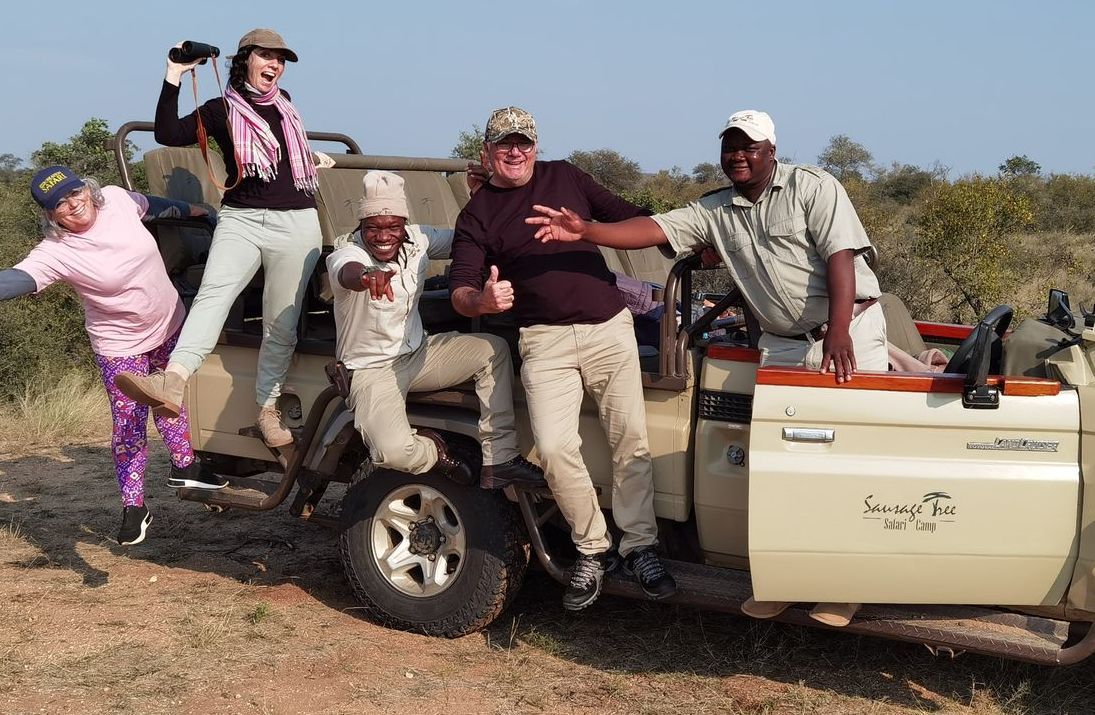
Age Guide: What to Expect by Age ?
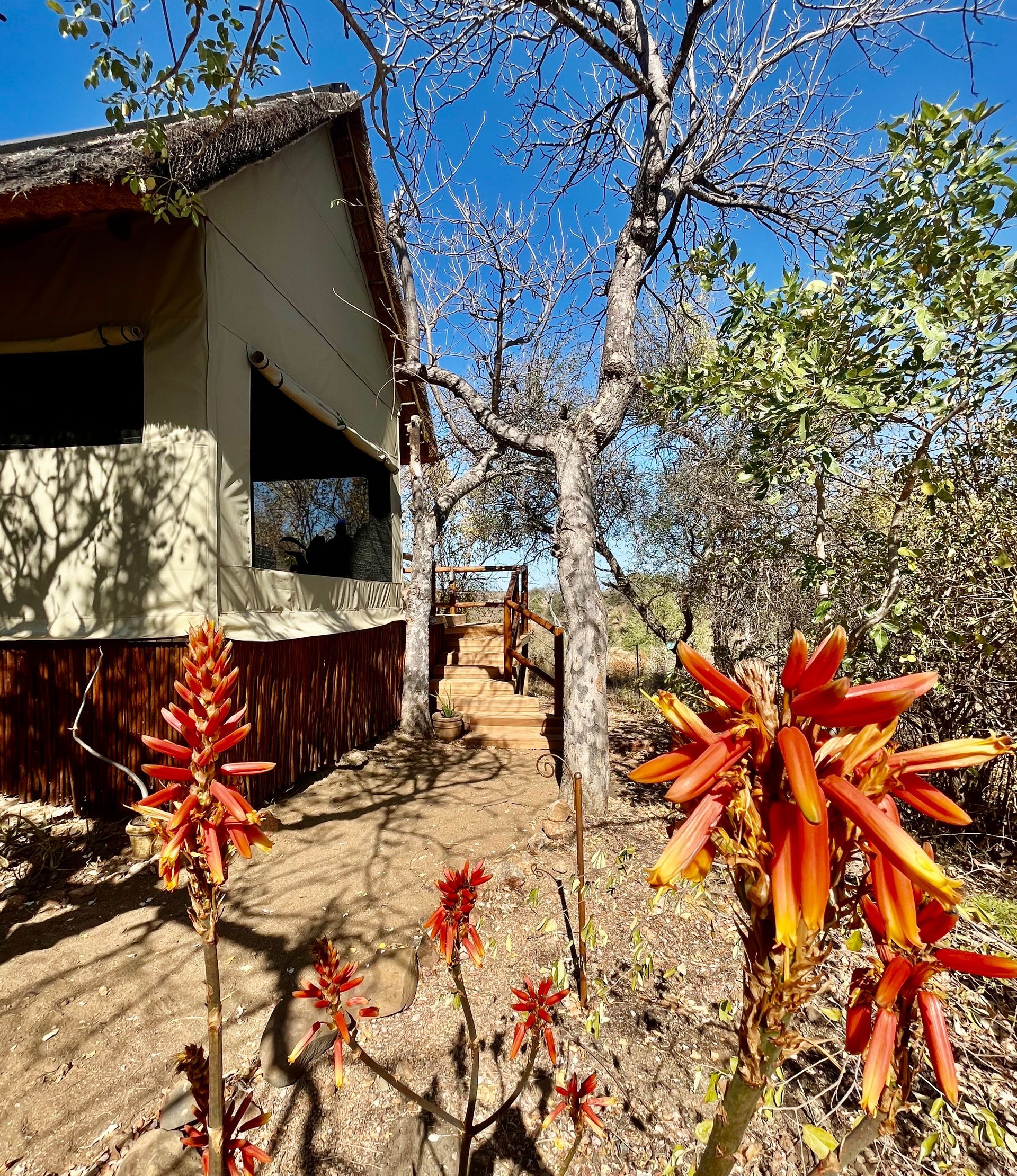
Choosing the best time to visit Sausage Tree Safari Camp

Romance Under African Stars
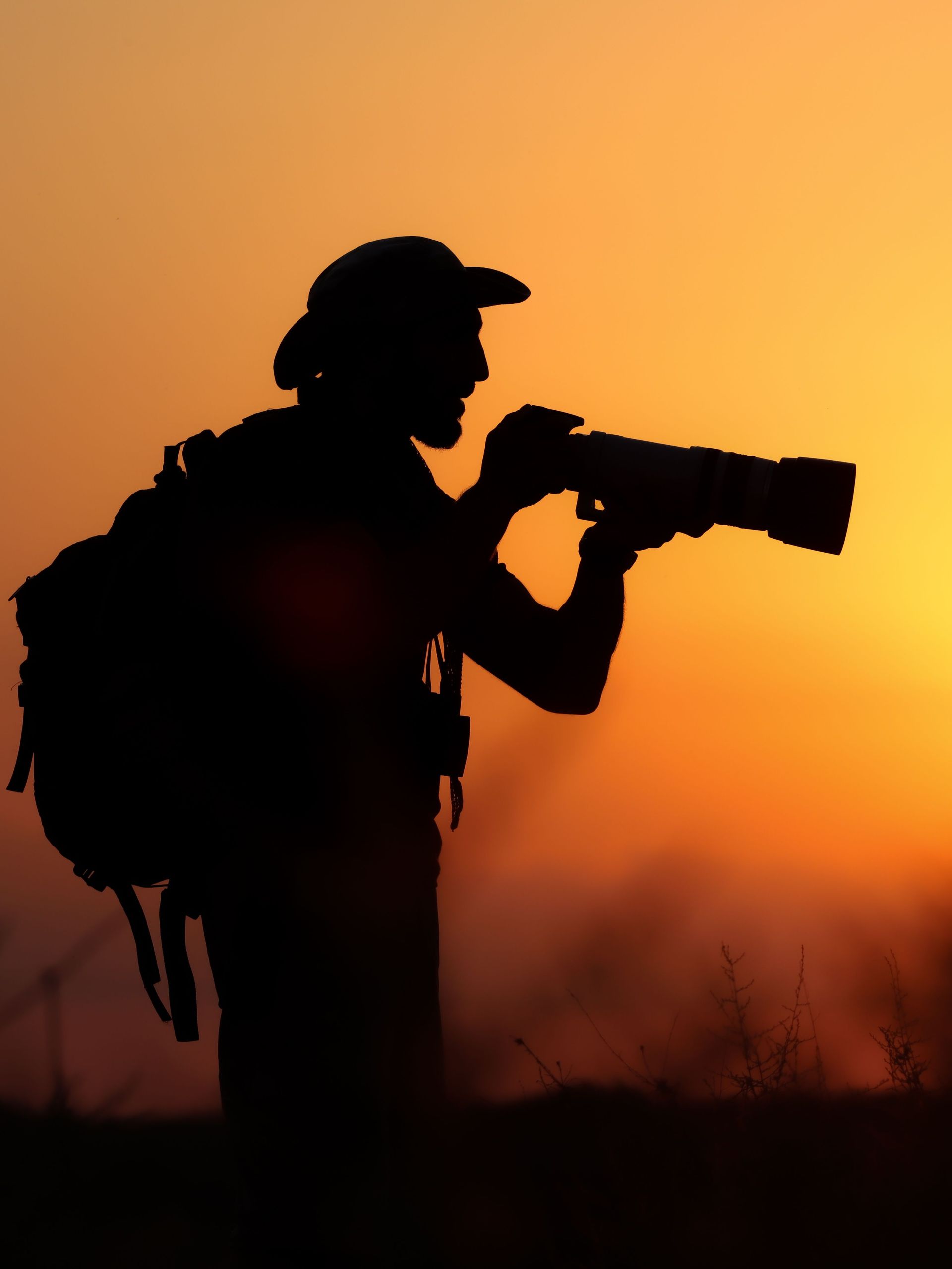
Photography Safari Tips
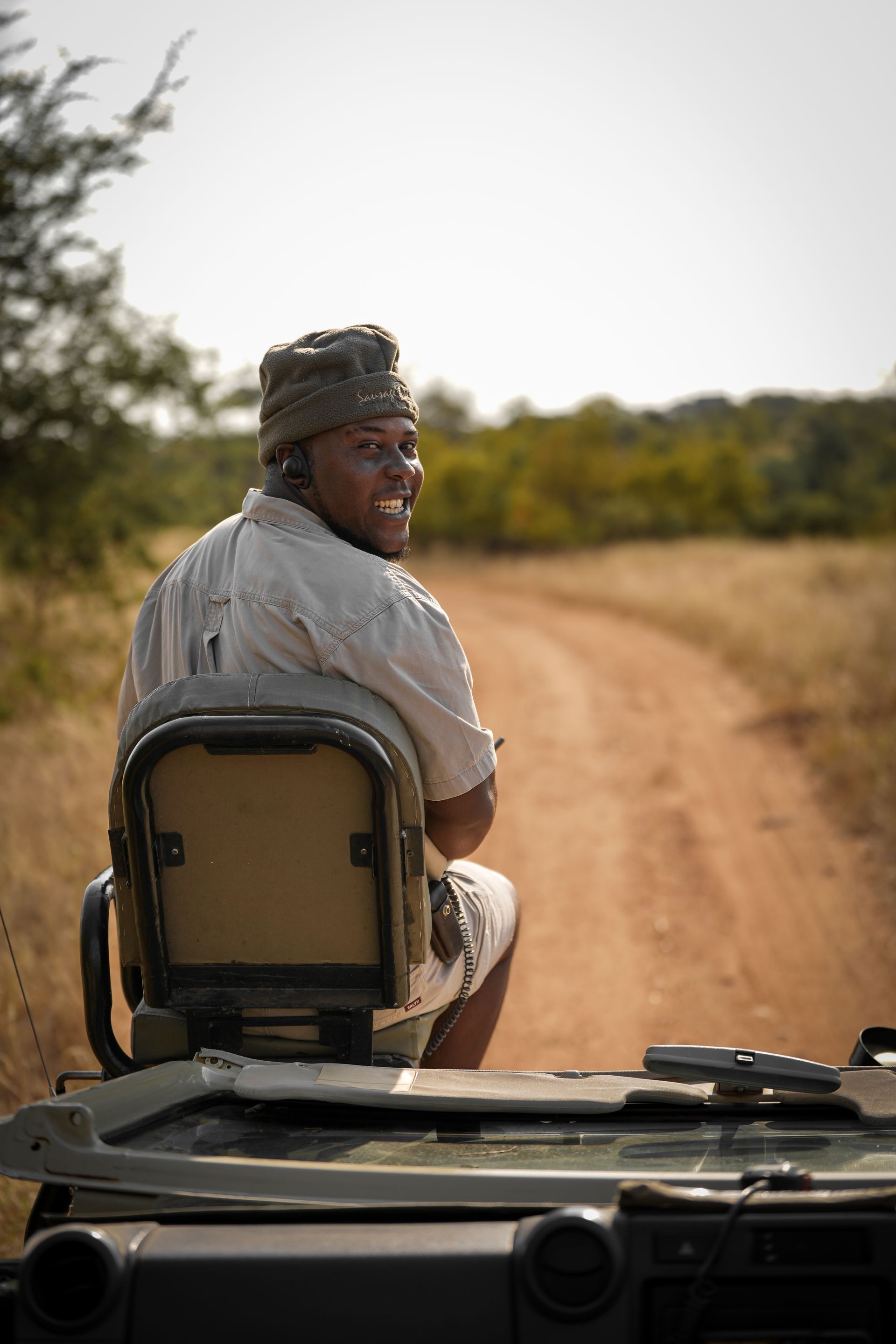
"You see that broken twig? The way it's snapped tells me a young bull elephant passed here maybe two hours ago. He was relaxed, probably heading to water."
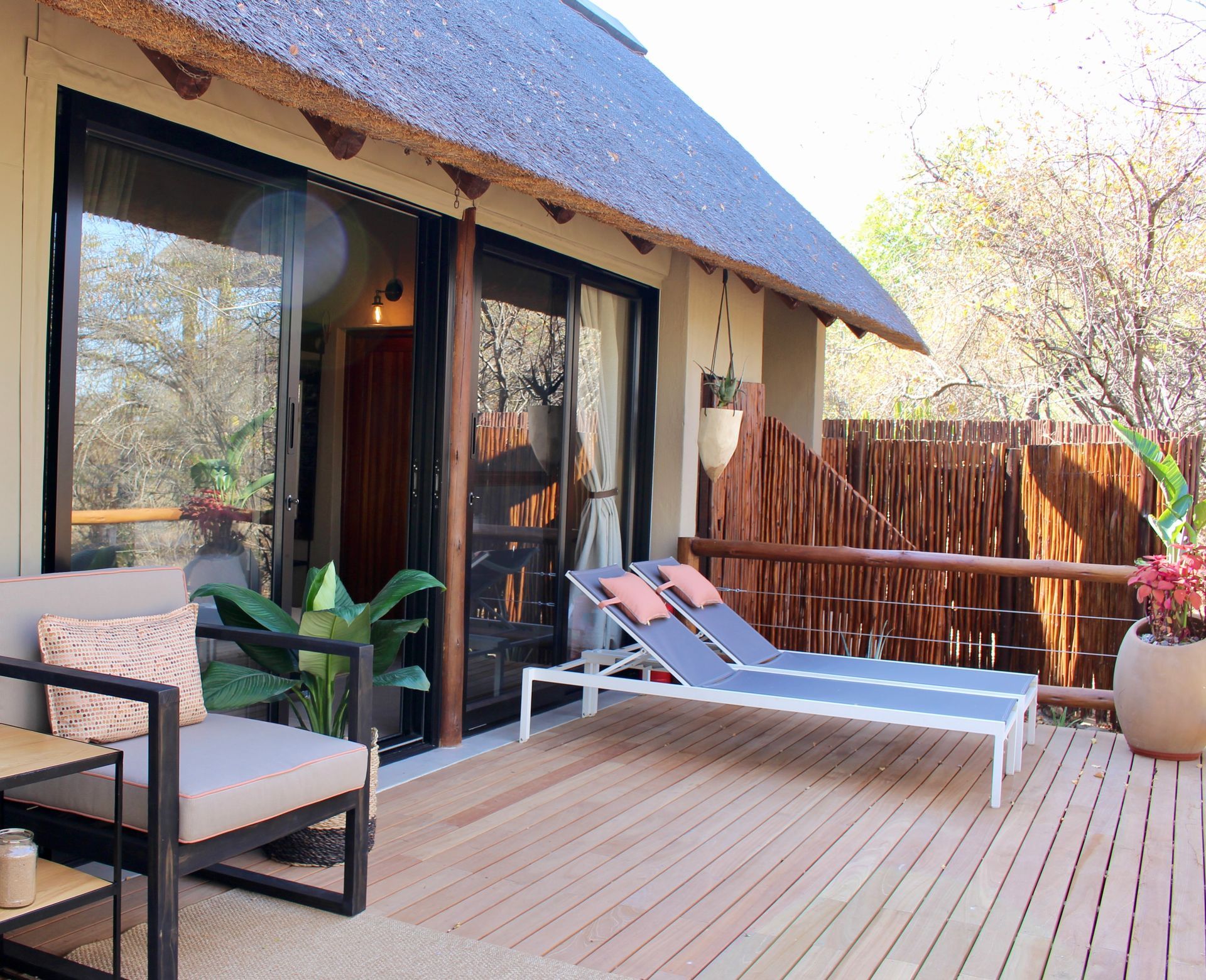
Experience our newly upgraded Luxury Tented Suites with sliding glass doors, expanded decks, spacious interiors & family-friendly options at Sausage Tree Safari Camp in Greater Kruger.
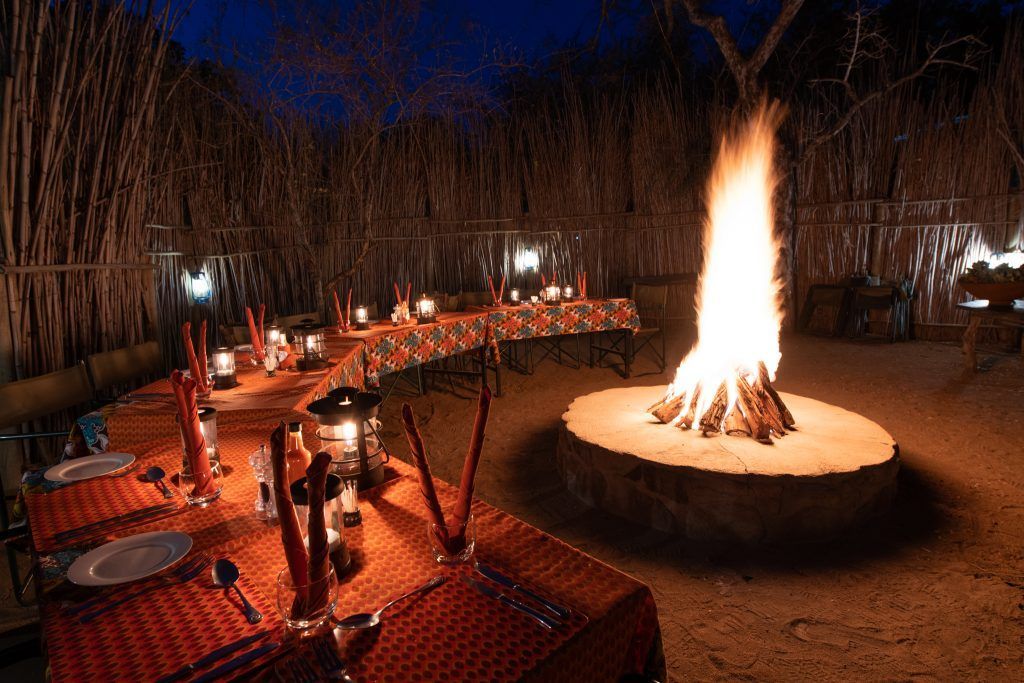
Pitso's journey to becoming the heart of our kitchen began in 2012, when he arrived as a young assistant chef, eager but uncertain. "I knew how to cook," he recalls, "but safari cooking? That's different. You're not just making meals – you're part of the whole experience."
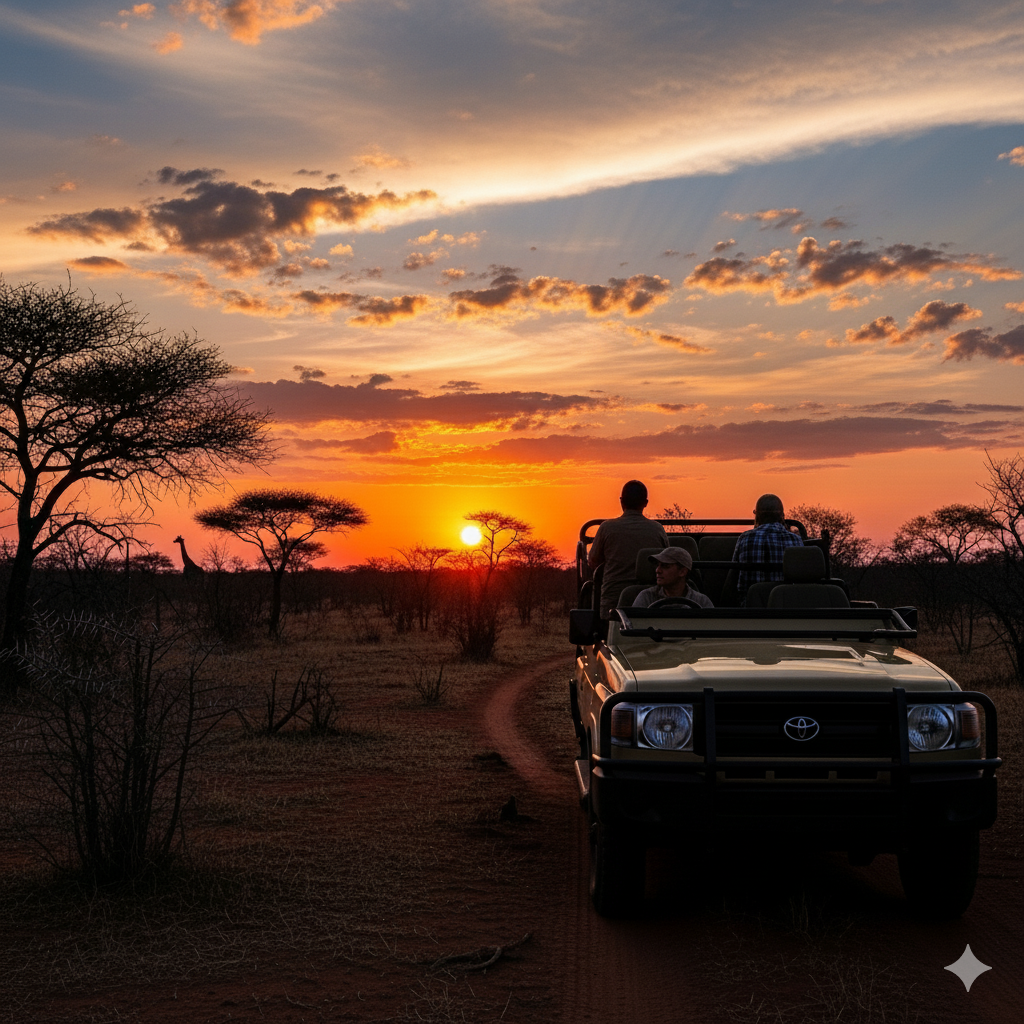
African bush sounds, night safari experience
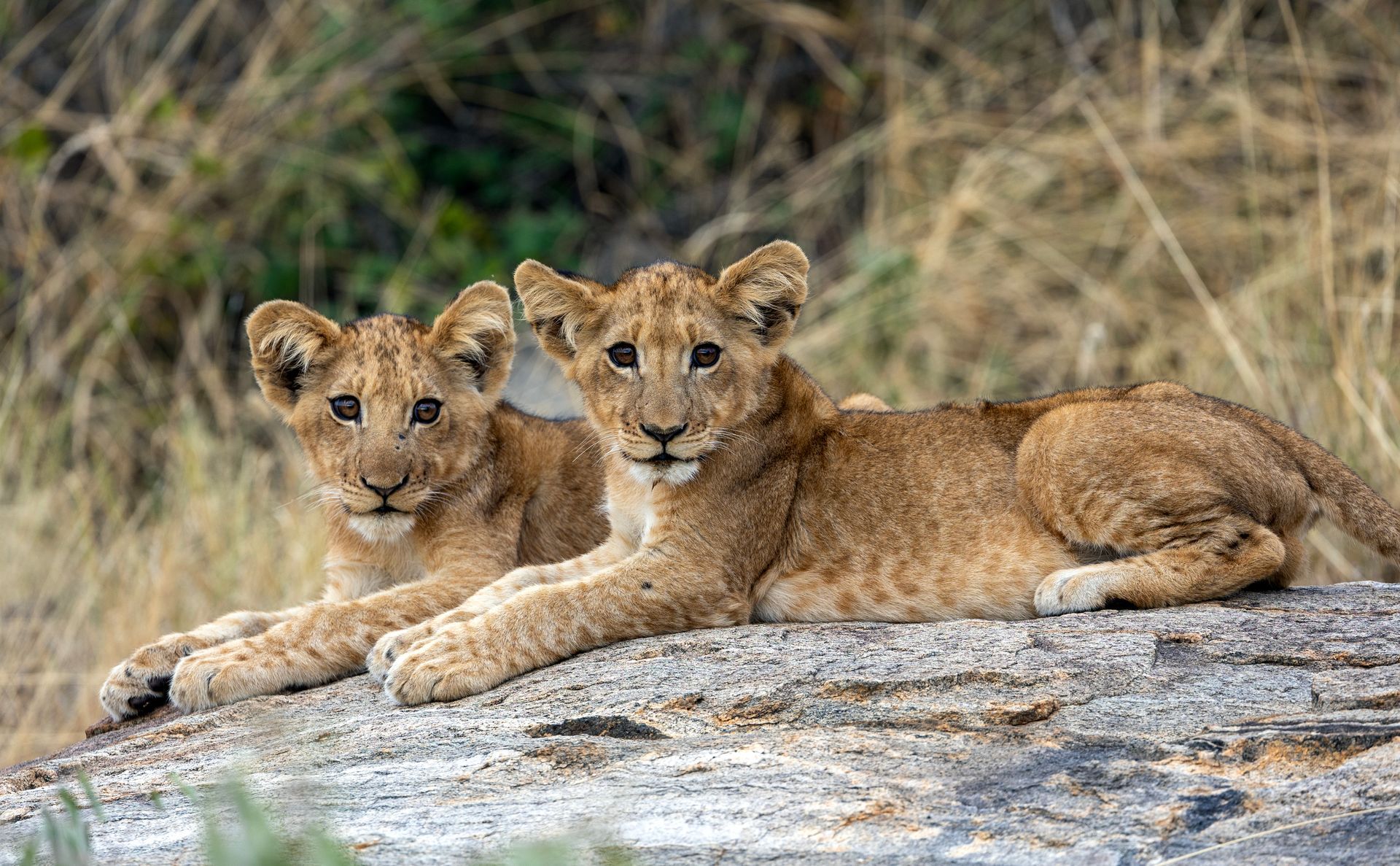
There's something magical that happens in Olifants West Nature Reserve when August rolls around.