RHINO POPULATION IN SOUTH AFRICA STILL IN CRISIS
James Carne • February 9, 2021
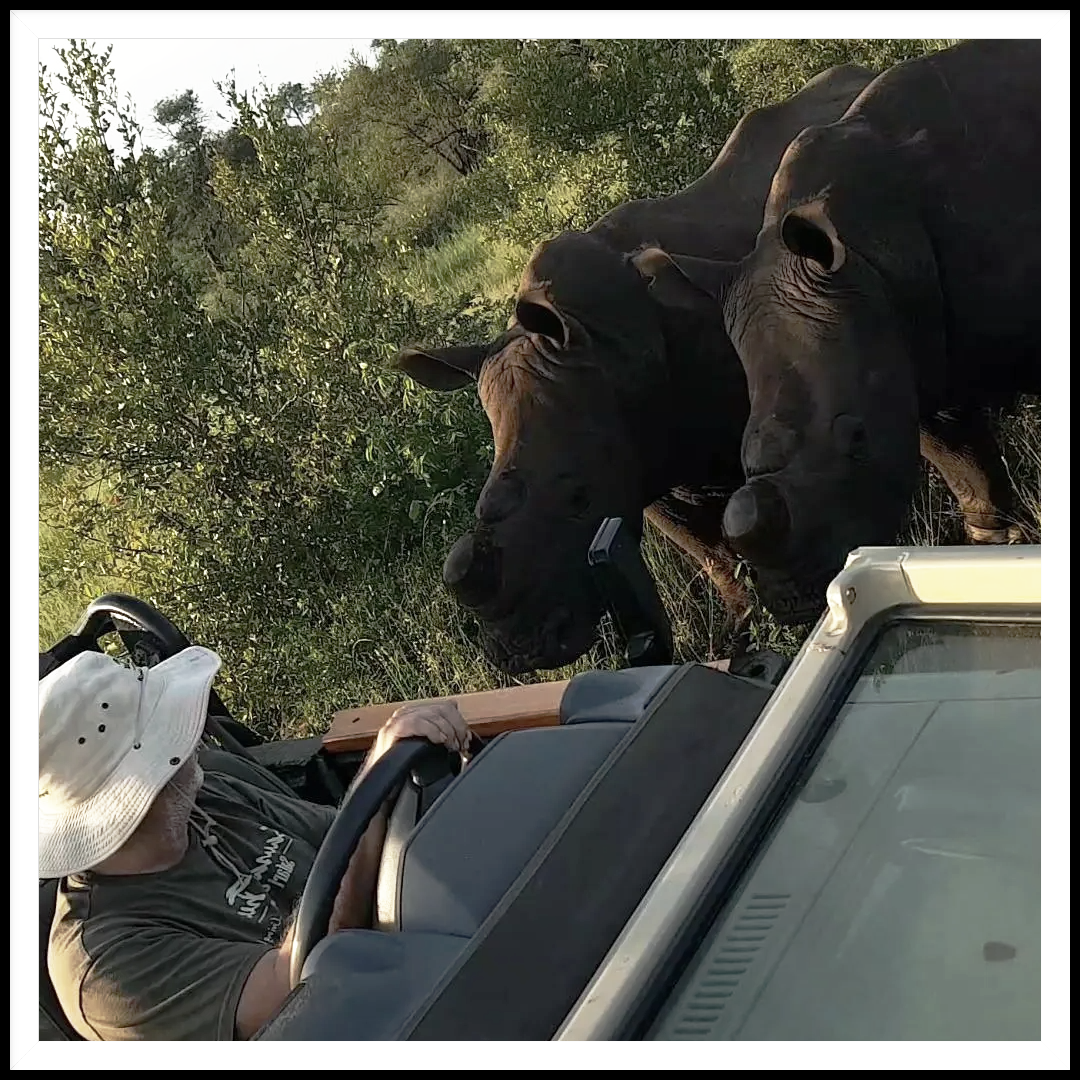
Despite millions of dollars in all kinds of aid and funding and the determined and brave efforts of so many people on the front line and behind the scenes , the long awaited release of the estimated remaining rhino population in the Kruger National Park makes for very worrying and sad reading.
The numbers are estimated to have declined by a colossal 59% since 2013 , just seven years. The remaining white rhino population is estimated at 3,529 and the black rhino population at 268. In 2013 it was estimated that South Africa held over 90% of the Southern Africa white rhino population and over 45% of the African black rhino population. We know that in the meantime the Hluhluwe-iMfolozi Park, in Kwa Zulu Natal, second only to KNP in rhino numbers in South Africa has also fallen in prey to relentless poaching. Also the Northern white rhino population numbers only two remaining now.
166 rhino were poached in South Africa in the first six months of 2020 which is a big fall compared to the peak of 1,215 poached in the whole of 2014. However this is little cause for celebration as it is more a reflection of how many less rhinos are left to poach as to any slackening of demand for the horns in the Far East. The Covid pandemic national lockdown in South Africa in the second quarter of last year would have hampered the poachers normal level of activities.
As far as it is known the price of the horn still reaches $70,000 to $80,000 per kilo to the end users in the Far East whether purchased for medicinal purposes or as a status symbol.
The arguments for and against illegalizing the sale of rhino horn outside South Africa continues , the legalization strongly supported by all breeders and most of the private owners. They argue that feeding the market with legal horn will reduce the demand and bring the price down per kilo and this in turn will make the criminal organizations involved lose interest in this currently very lucrative activity. Opponents counter argue that the lowering of the price will make the product all the more affordable to a larger market segment and the criminal organizations will market poached horn at even higher than current prices from rhino in the wild feeding on different types of leaves , plants and grasses in the wild retaining the mythical healing properties, that the horn being composed entirely of keratin simply does not have.
There is a keenly awaited annual update due any day now from South Africa’s department for Environment Forestry and Fisheries on its strategy for combating rhino poaching.
We ask whether now is finally the time to dehorn all the rhino within the Kruger National Park. Yes , it would be a costly operation but with the relatively small numbers left now , it would be doable and in a relatively short amount of time. Private funding would be made available in addition , we are sure.
Here on Balule reserve within the Greater Kruger National Park dehorning took place two years ago and the poaching has fallen away dramatically as has been the case in other reserves with the Greater Kruger who have had their rhinos dehorned . Studies to date both in South Africa and elsewhere on dehorned rhino populations have shown no evidence of any detrimental effect on the animals. The rhino still need protection as the residual horn is still of value but importantly of considerable less value for the risks involved in the poaching and illegal importation.
The only negative is visual , and it is strange to see rhinos without their horns but of course they do grow back and we would definitely rather see a rhino without a horn than no rhino at all.
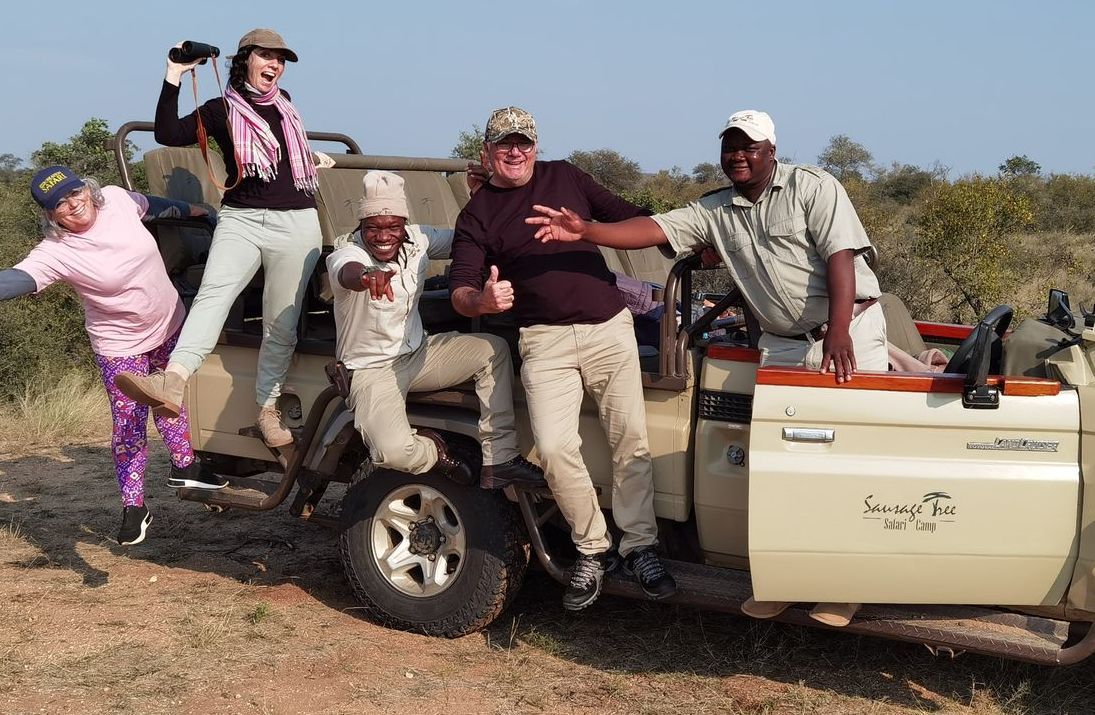
Here at our Sausage Tree Safari Camp in Olifants West Nature Reserve, part of Balule, we have been extremely fortunate to have our rhinos very successfully protected 24/7 by our all girl, Black Mamba Environmental Monitors, funded and organized by Transfrontier Africa whom we support.
Please feel free to visit their website http://www.transfrontierafrica.co.uk/ and make a donation however small.
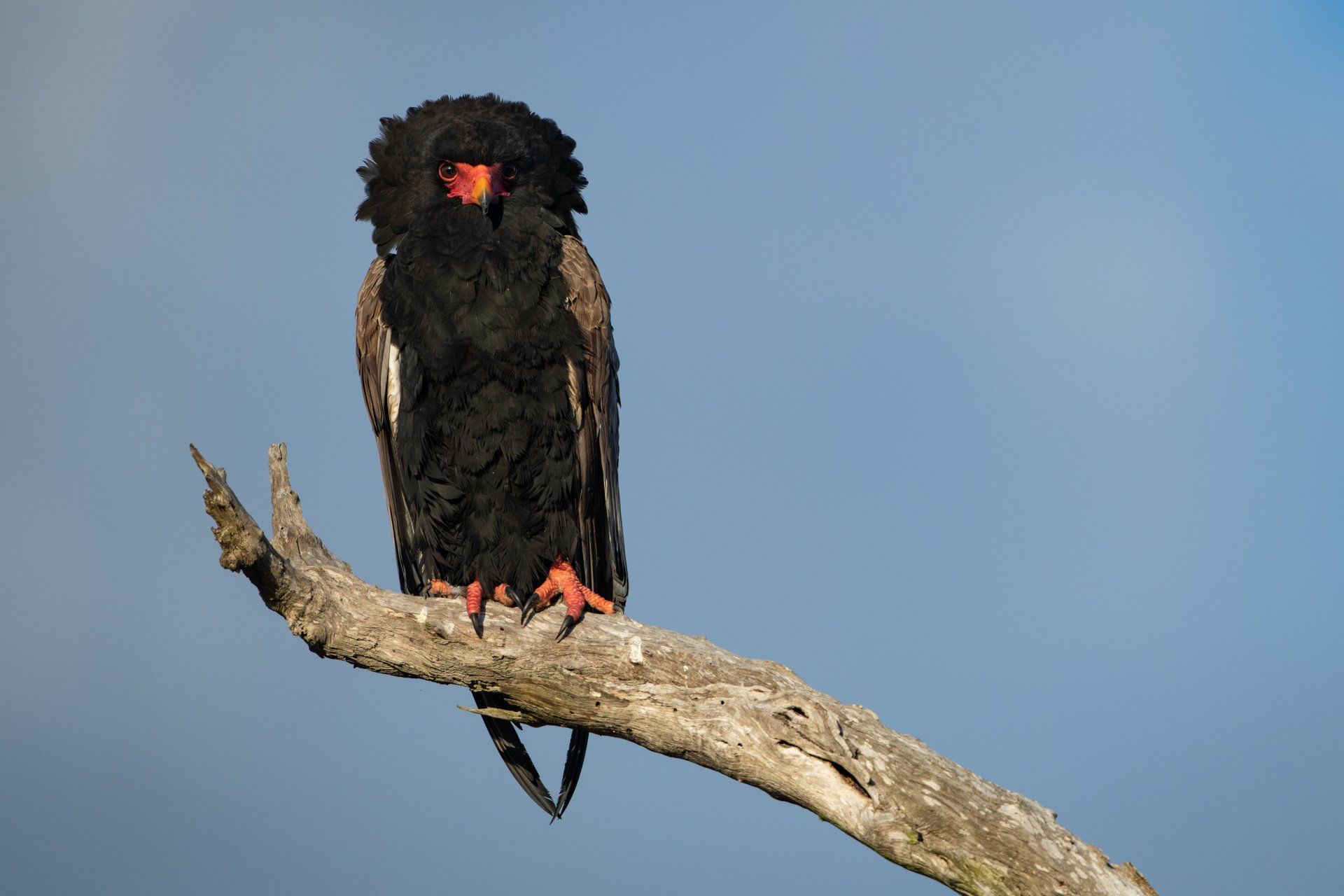
The 280+ Species: What You'll Actually See
Age Guide: What to Expect by Age ?
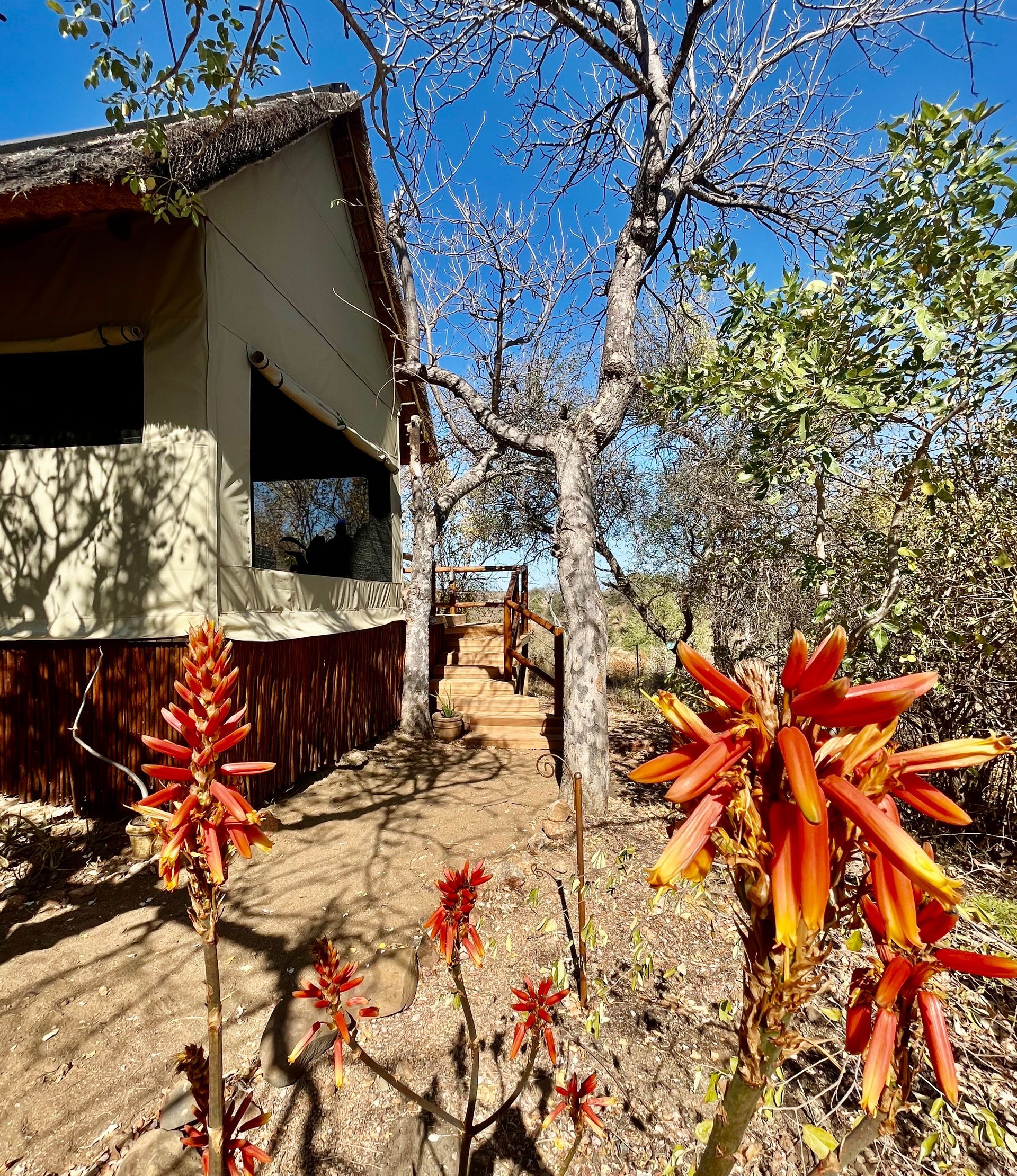
Choosing the best time to visit Sausage Tree Safari Camp

Romance Under African Stars
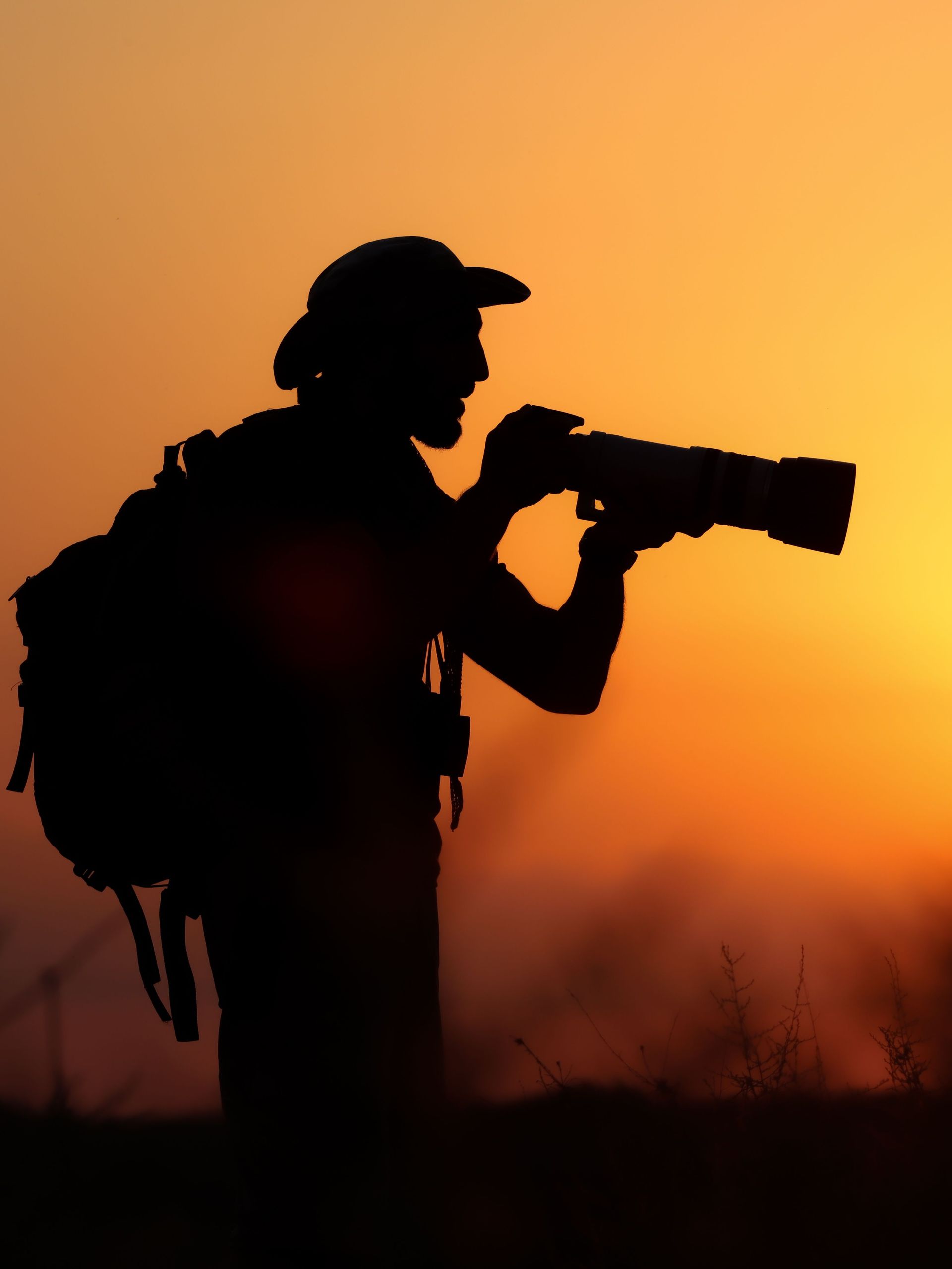
Photography Safari Tips
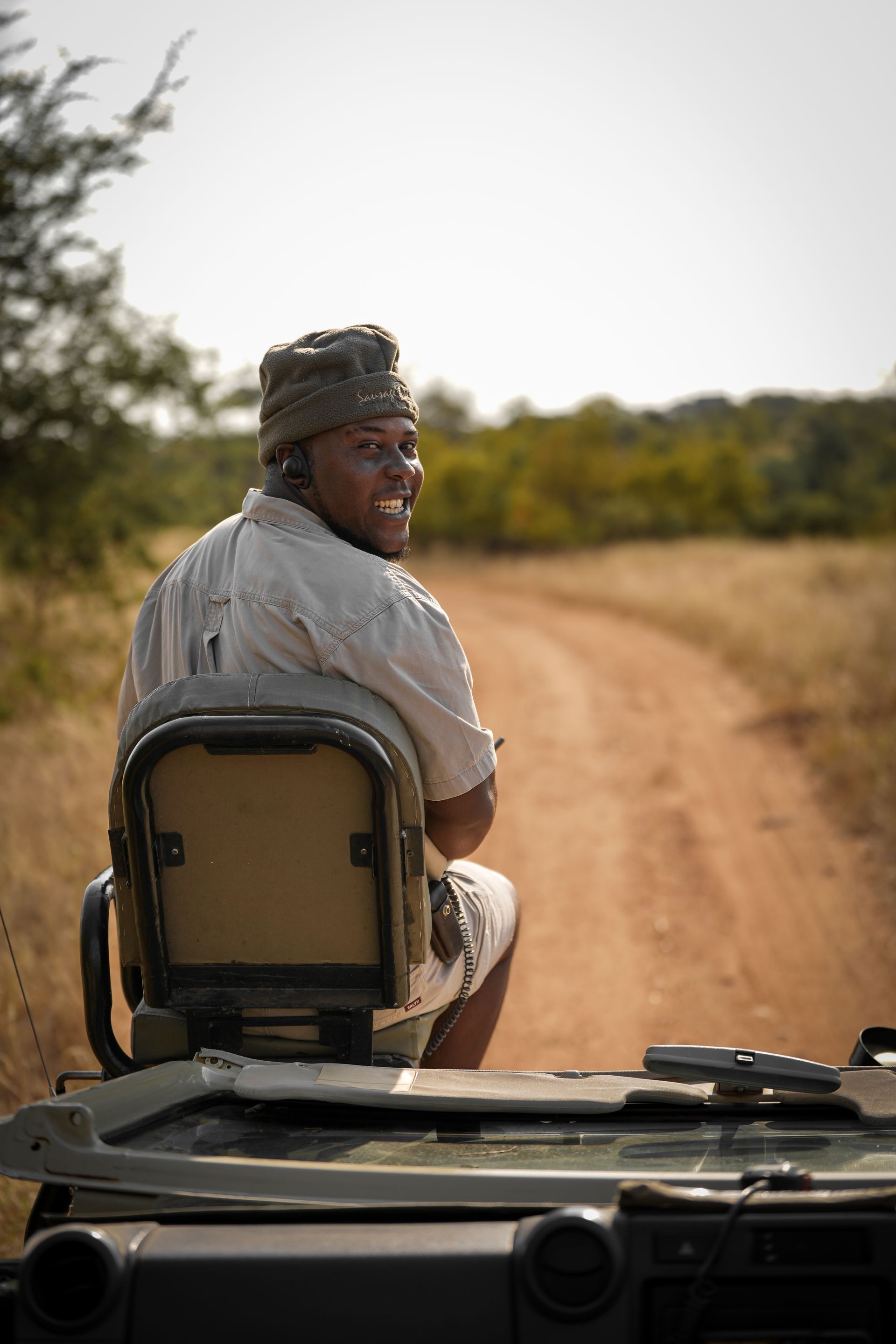
"You see that broken twig? The way it's snapped tells me a young bull elephant passed here maybe two hours ago. He was relaxed, probably heading to water."
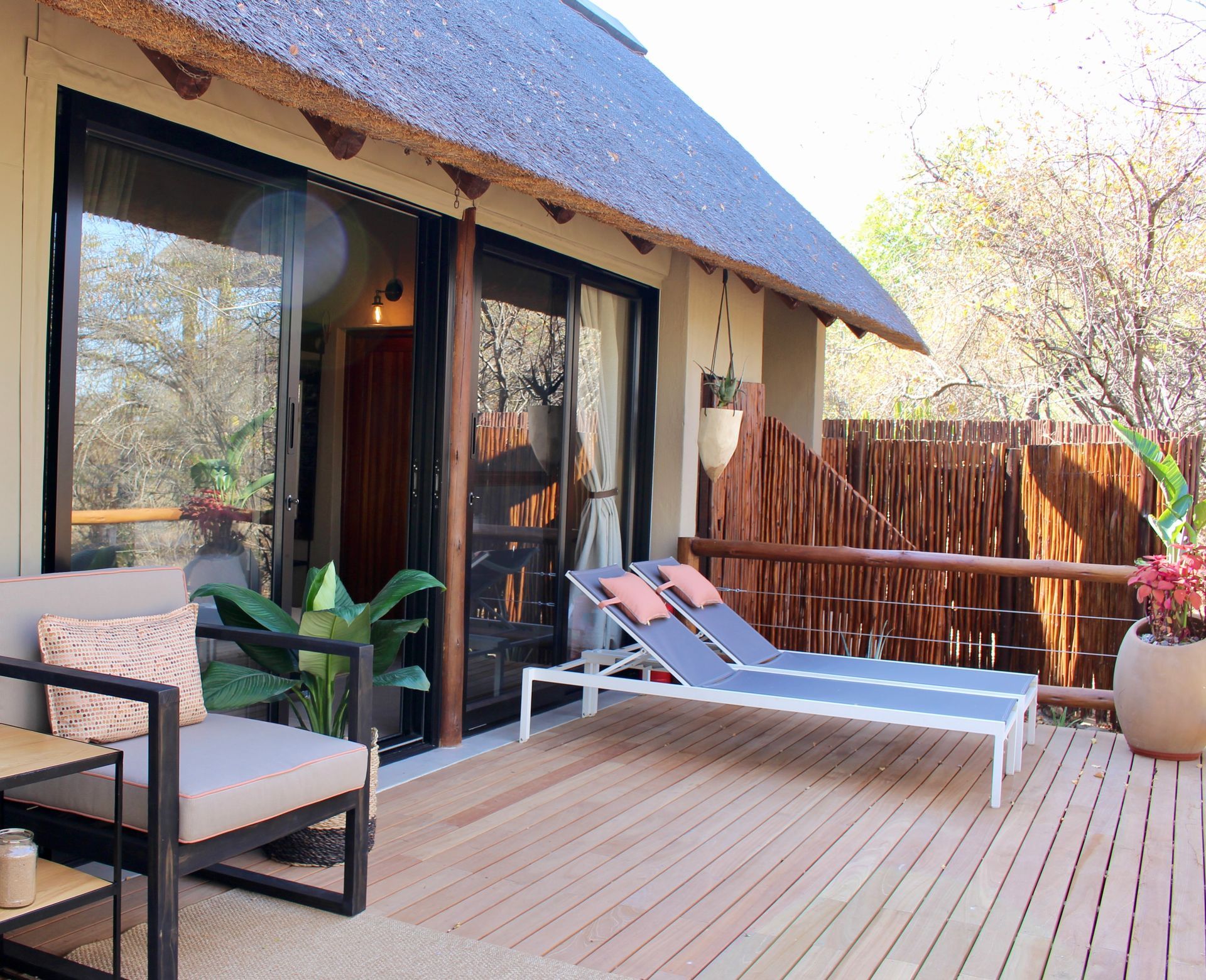
Experience our newly upgraded Luxury Tented Suites with sliding glass doors, expanded decks, spacious interiors & family-friendly options at Sausage Tree Safari Camp in Greater Kruger.
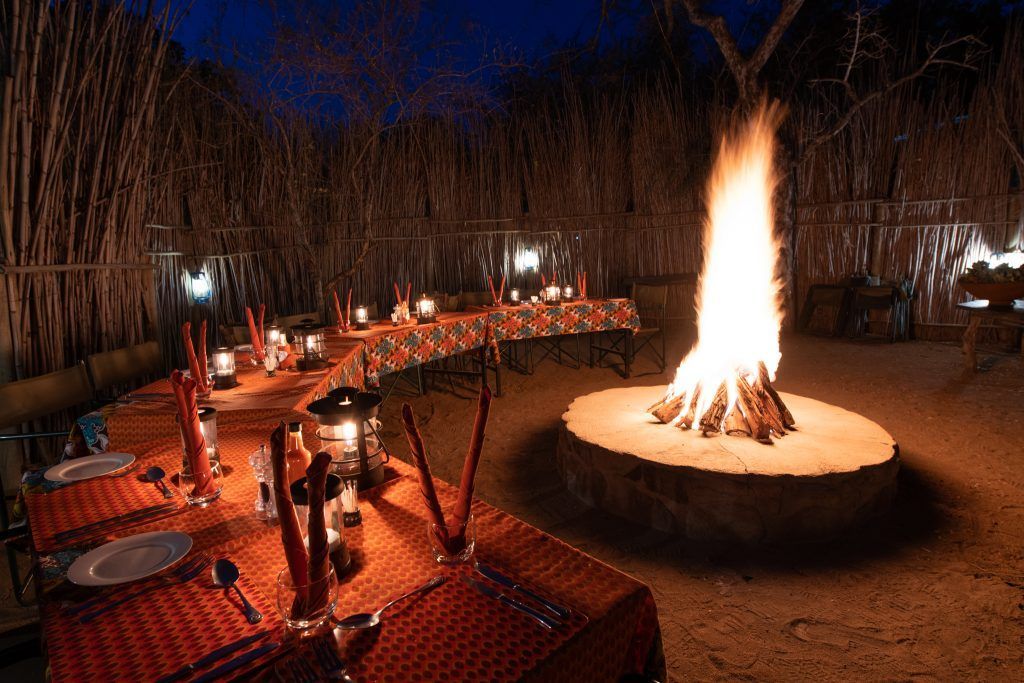
Pitso's journey to becoming the heart of our kitchen began in 2012, when he arrived as a young assistant chef, eager but uncertain. "I knew how to cook," he recalls, "but safari cooking? That's different. You're not just making meals – you're part of the whole experience."
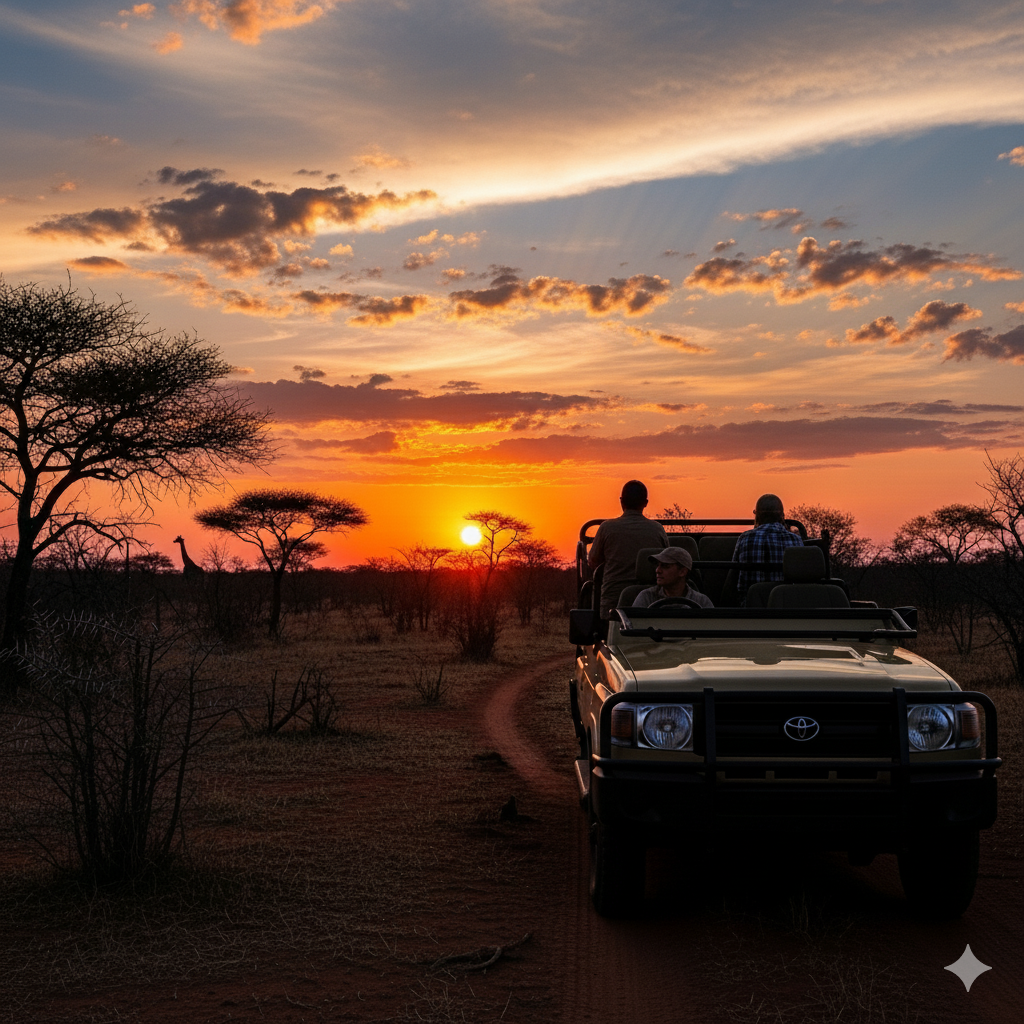
African bush sounds, night safari experience
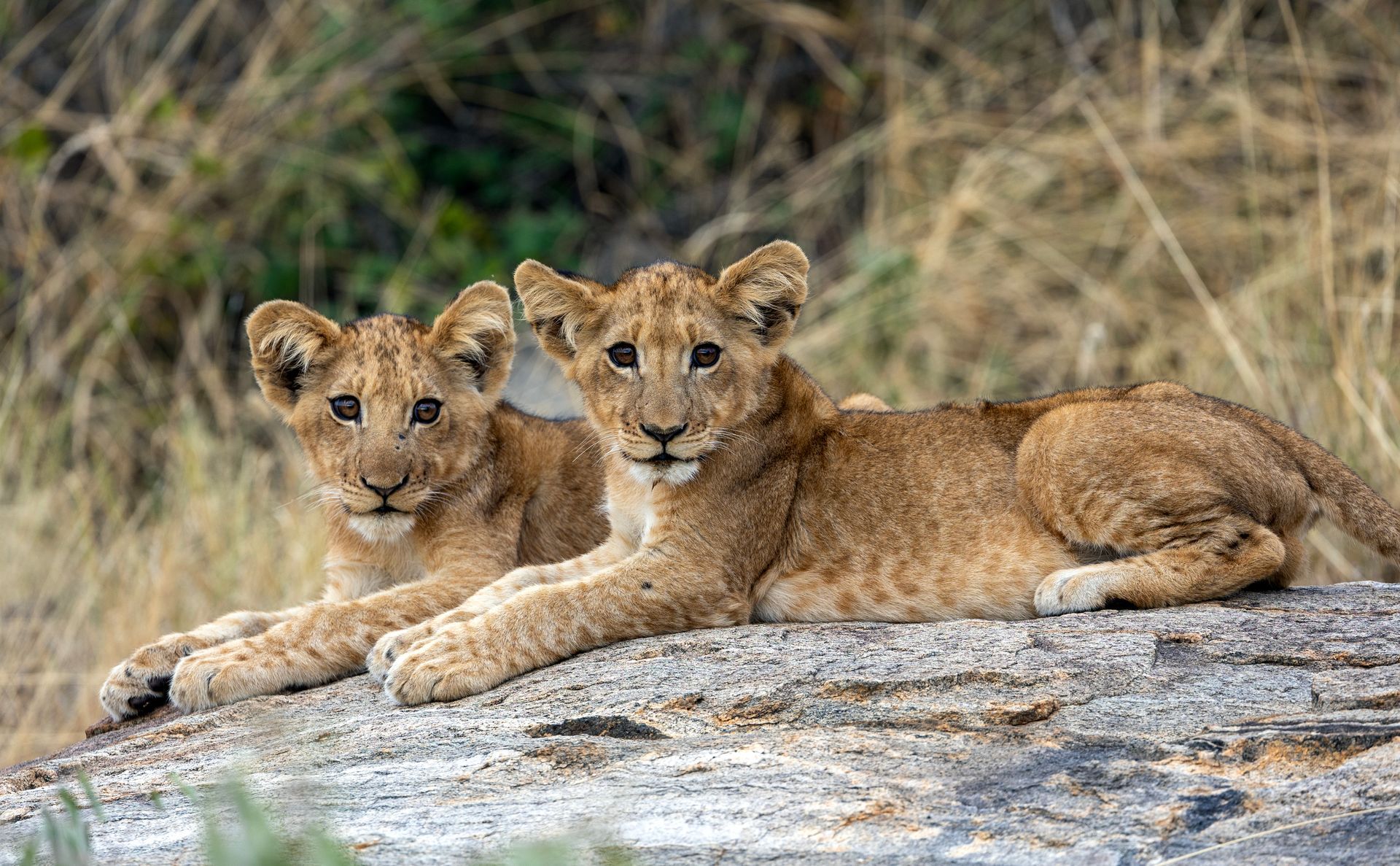
There's something magical that happens in Olifants West Nature Reserve when August rolls around.